Small craft brewers often struggle with expensive, bulky CO2 tank systems. They need a flexible, efficient way to carbonate beer. CO2 cartridges are a modern solution that solves these pains with lower cost and higher precision.
CO2 cartridges offer craft breweries a portable, cost-effective, and precise carbonation method that fits small batches and mobile setups while maintaining beer quality and consistency.
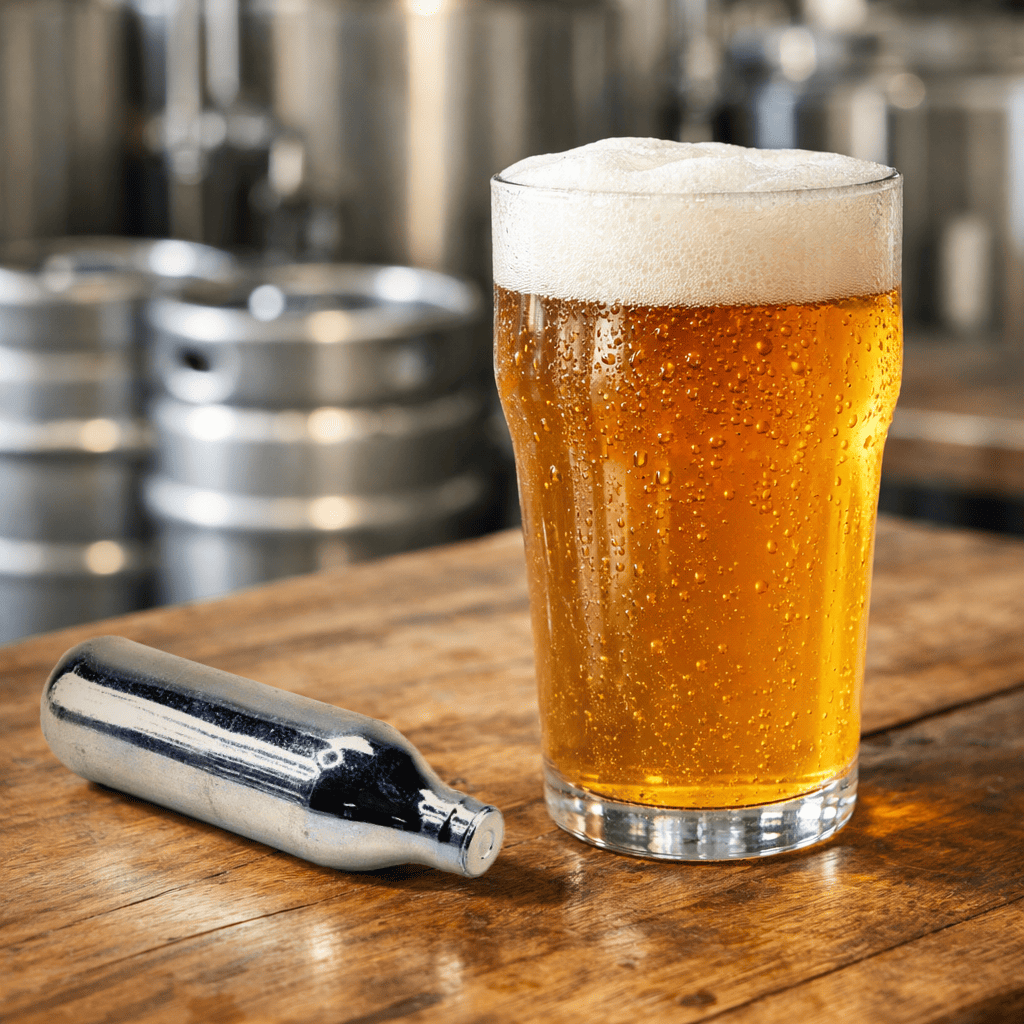
Whether you are scaling production, running a taproom, or experimenting with new recipes, understanding why breweries switch to CO2 cartridges helps you make smarter gas sourcing decisions.
What role does CO2 play in beer carbonation?
CO2 is central to beer carbonation because it gives beer its characteristic fizz, mouthfeel, and aroma. During beer production, CO2 dissolves into the liquid under pressure to create that effervescence consumers expect. This gas also impacts beer foam and sensory qualities, so breweries must control CO2 quality carefully.
Beer chemistry also explains how CO2 behaves in solution, which matters when breweries adjust carbonation targets. Brewers looking to understand how gas purity and stability affect flavor and foam can explore insights from organizations like the Brewers Association, which provide guidelines for gas quality control in beer production.
How do CO2 cartridges benefit small and craft breweries?
Small breweries face specific operational challenges that CO2 cartridges help solve:
- Portability: Cartridges are lightweight and easy to transport.
- Low initial cost: They require less upfront investment than full CO2 tank systems.
- Precise control: Cartridges allow fine-tuned carbonation per batch.
- Scalability: Breweries can buy only what they need for the season or event.
Traditional CO2 systems involve tanks, regulators, hoses, and dedicated storage space. For craft breweries without large cellars, this can be expensive and space-inefficient. CO2 cartridges simplify the whole process by allowing direct, on-demand carbonation without heavy infrastructure.
When are CO2 cartridges the best choice?
CO2 cartridges are especially valuable in these contexts:
- Mobile taprooms and pop-ups where transporting tanks is impractical.
- Seasonal beers and pilot batches that don’t justify full system investment.
- Events and festivals where quick setup and teardown are priorities.
- Starter breweries just building their operations.
For breweries that carbonate small volumes frequently or need flexibility, cartridges support agility. Many brewers have shifted toward cartridges to manage supply chain risks and avoid CO2 shortages that have affected the industry in recent years.
From an efficiency perspective, CO2 cartridges help breweries minimize wasted gas and reduce unused inventory. This can improve cost predictability and lower operational overhead over time.
What should breweries consider when sourcing CO2 cartridges?
Not all CO2 cartridges are equal. For brewing use, consider the following:
- Food-grade purity: Ensure the CO2 meets beverage-safe standards.
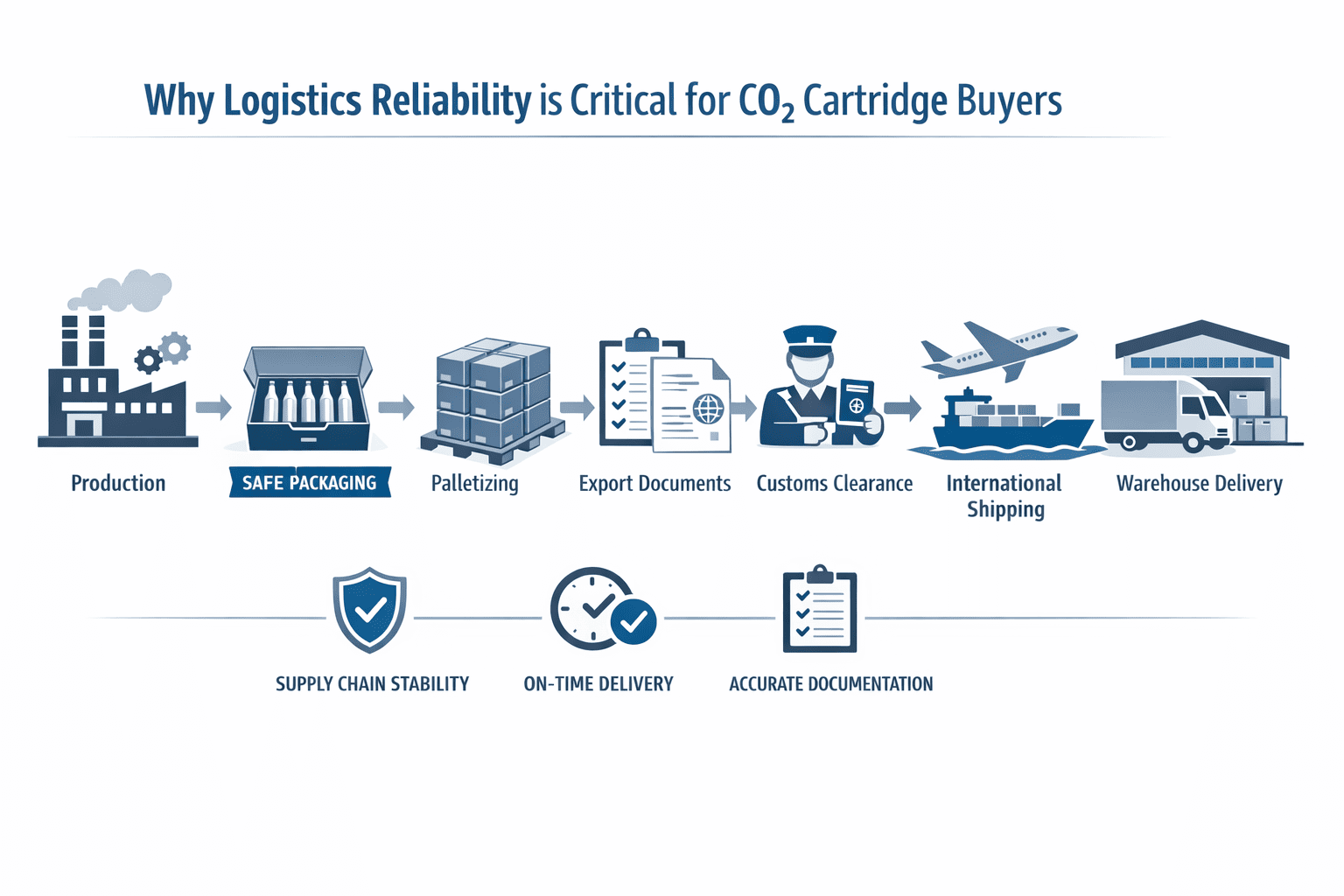
- Supplier reliability: Look for steady supply and global logistics.
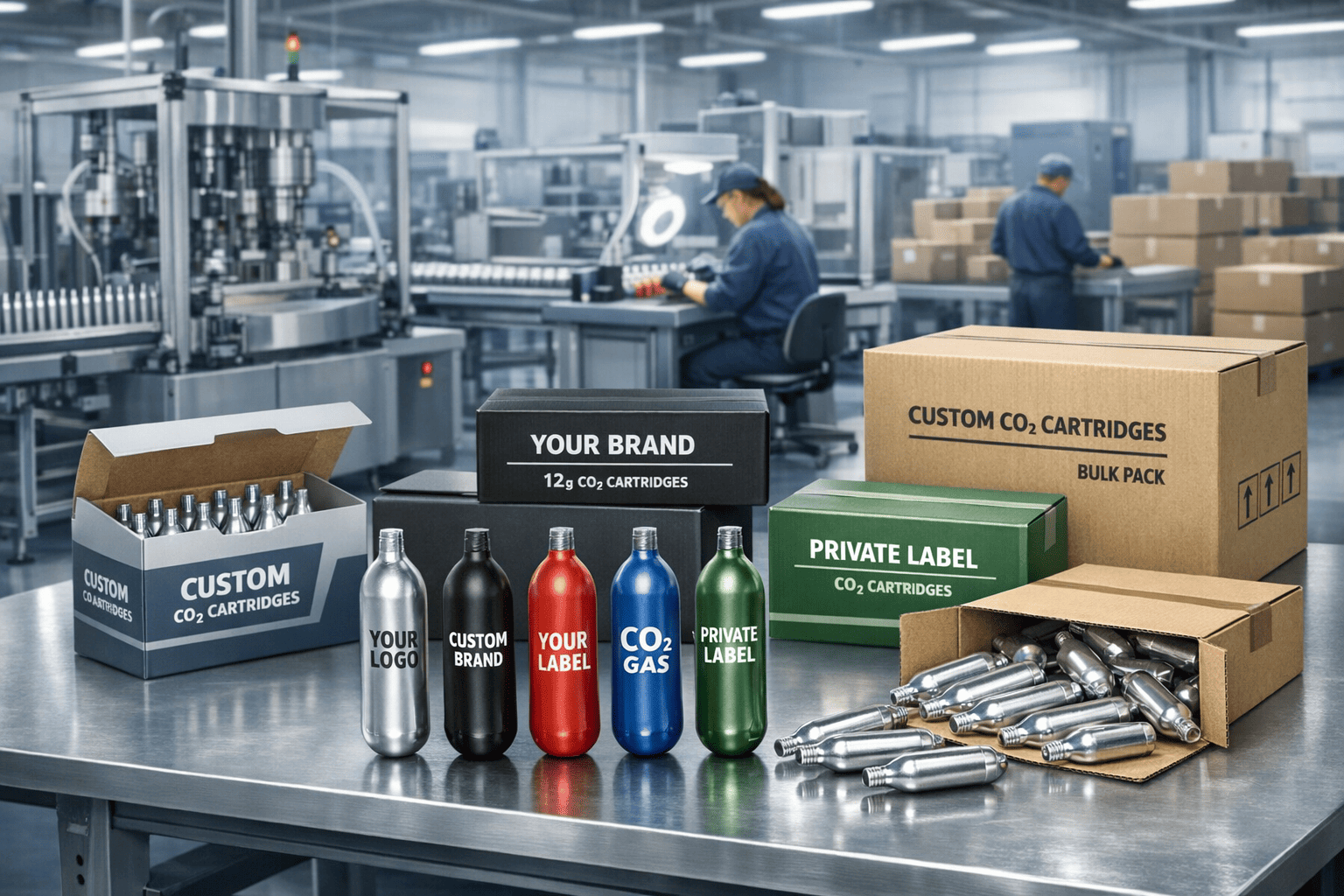
- Customization: Options like private labeling or tailored cylinder sizes add value for brands.
For more guidance, a detailed explanation of beer-specific CO2 applications and sourcing considerations can be found on Alizeemetal’s dedicated page for breweries.
Conclusion
CO2 cartridges give craft breweries a flexible and efficient way to carbonate beer with precise control and lower infrastructure costs. For many small producers, they are a smarter, adaptable alternative to traditional CO2 tank systems.