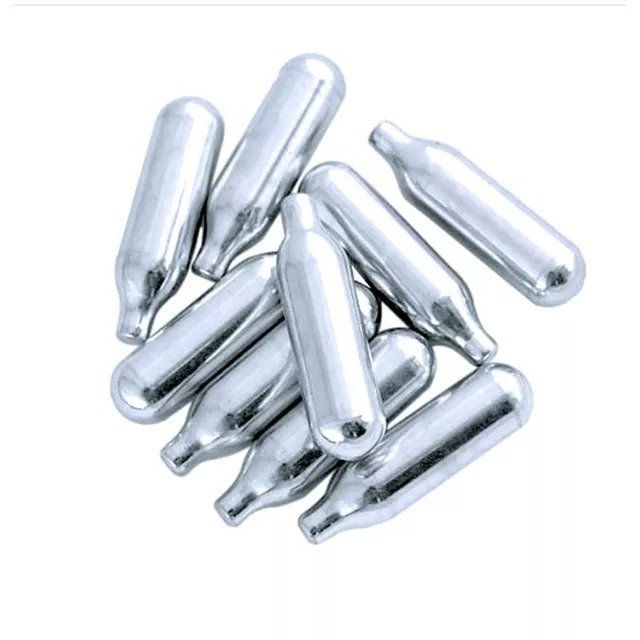
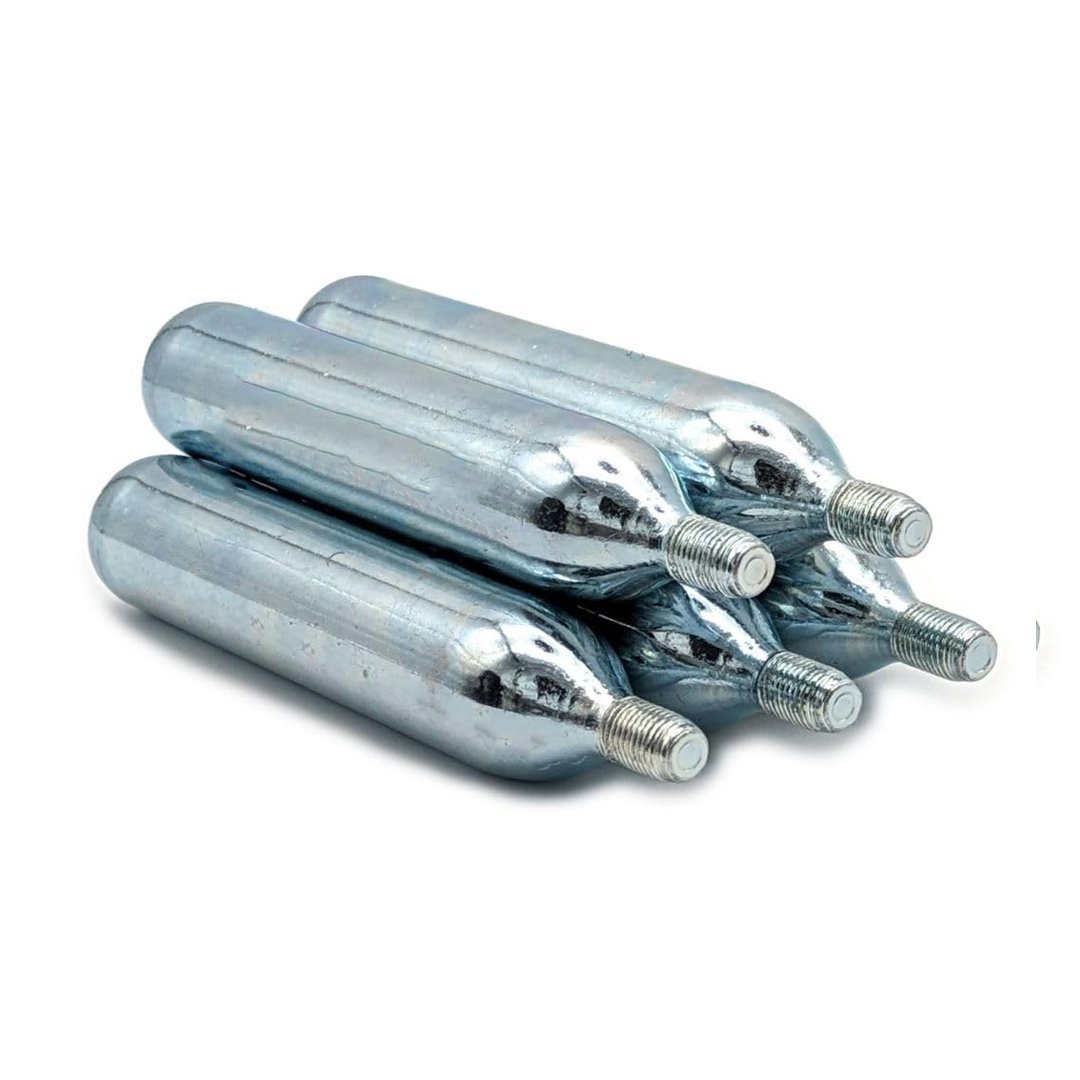
Many importers assume CO2 cartridges must be DOT or UL certified to enter the U.S. market. This belief leads to confusion, delays, or even unnecessary costs.
No, 12g disposable CO2 cartridges typically do not require DOT or UL certification. Instead, they must meet basic transport safety standards.
Some customers over-focus on certificates when what they really need is safe, compliant, and stable supply. Let’s break down the facts.
What’s the Difference Between DOT and UL Certification?
Some buyers confuse DOT and UL as similar “must-have” U.S. certifications. But the truth is, they cover different areas.
DOT regulates the transport safety of pressurized gas containers. UL is a voluntary product safety mark for consumer goods and electronics.
DOT: Transport Regulation, Not Always Certification
| Item | Meaning |
|---|---|
| DOT | U.S. Department of Transportation |
| Focus | Safe transportation of hazardous materials |
| Applies to | Refillable cylinders, large tanks |
| Not required for | Most 12g, 16g disposable CO2 cartridges |
UL: Voluntary Safety Mark
| Item | Meaning |
|---|---|
| UL | Underwriters Laboratories |
| Focus | Electrical and consumer product safety |
| Often used for | Home appliances, electronics |
| Not applicable for | Industrial-use CO2 cartridges |
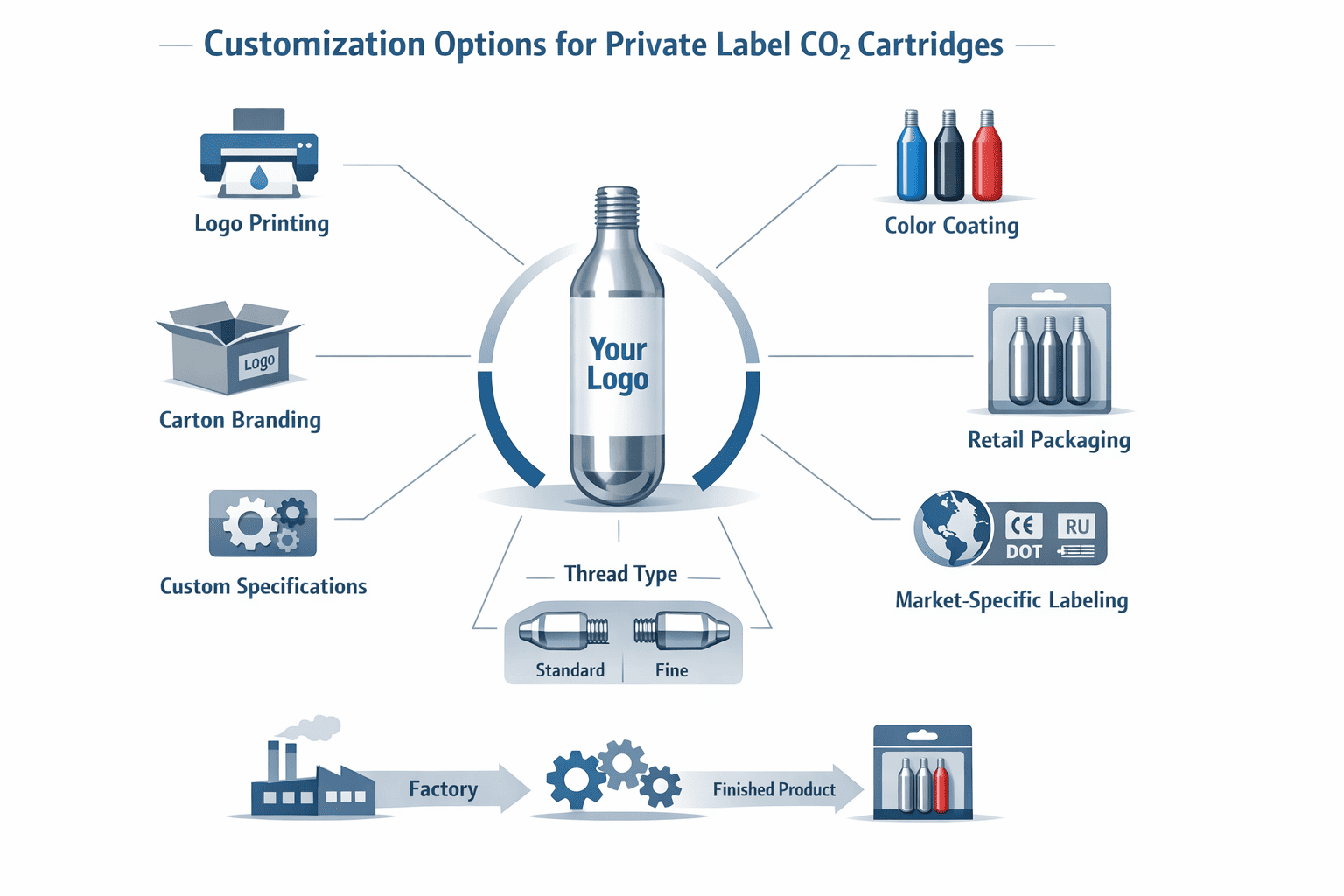
Many factories advertise “Made according to DOT standard” — this means the product is designed within DOT’s safety guidelines, but not that it’s DOT certified. The same goes for UL.
Are 12g CO2 Cartridges Regulated by DOT?
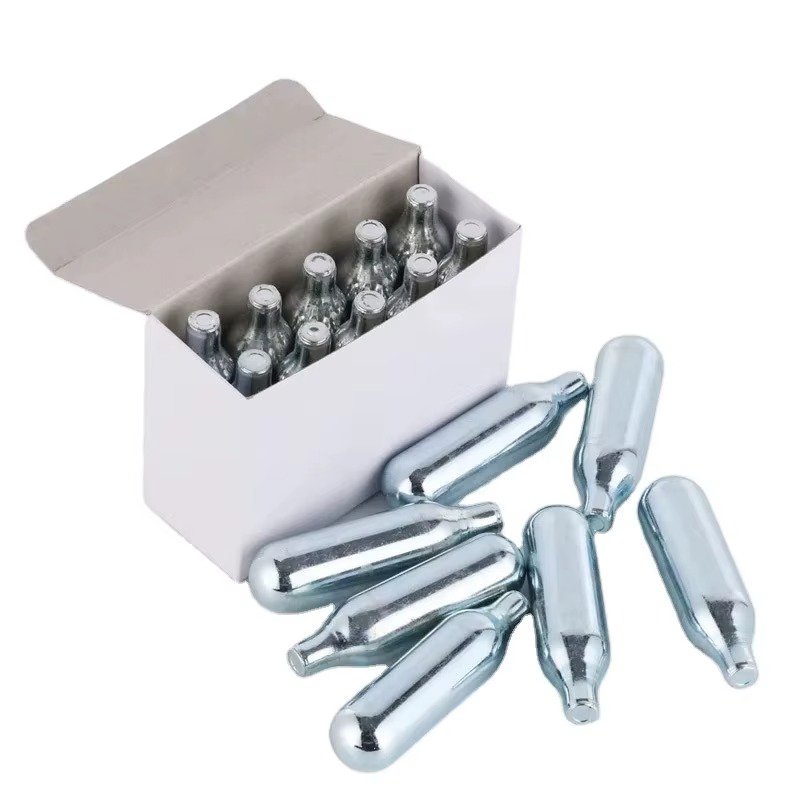
If you’re importing small CO2 cartridges (like 12g or 16g), it’s important to know whether they fall under DOT’s strict certification rules.
Most small, non-refillable CO2 cartridges are exempt from full DOT certification if they meet certain conditions.
When DOT Does Not Apply
DOT’s 49 CFR transport code allows exemption if:
- The CO2 content is below 28g (i.e., 12g, 16g types)
- The cartridge is non-refillable (disposable)
- The gas is non-flammable and non-toxic (CO2 qualifies)
- Internal pressure stays within limits (usually <1000 psi)
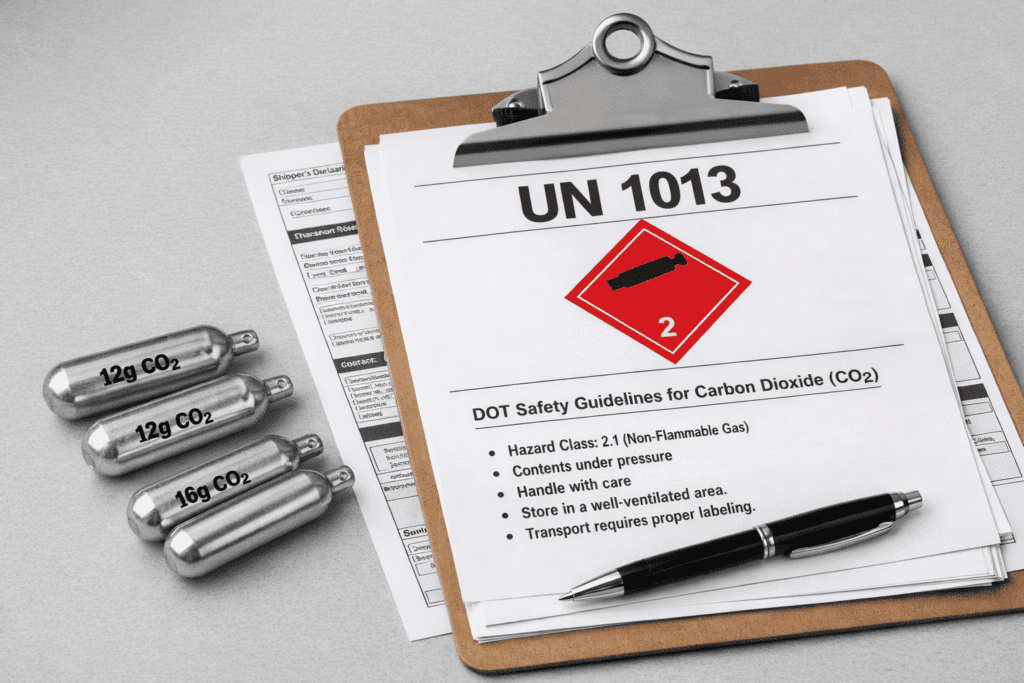
You might also notice markings like UN1013 on the packaging — this simply indicates the international classification of carbon dioxide gas. UN numbers are used globally to standardize labeling for dangerous goods, and not related to DOT or UL certification.
What Should CO2 Distributors Know About Certification?
If you’re a distributor or buyer of CO2 cartridges for sports, food, or industrial use, here’s what really matters.
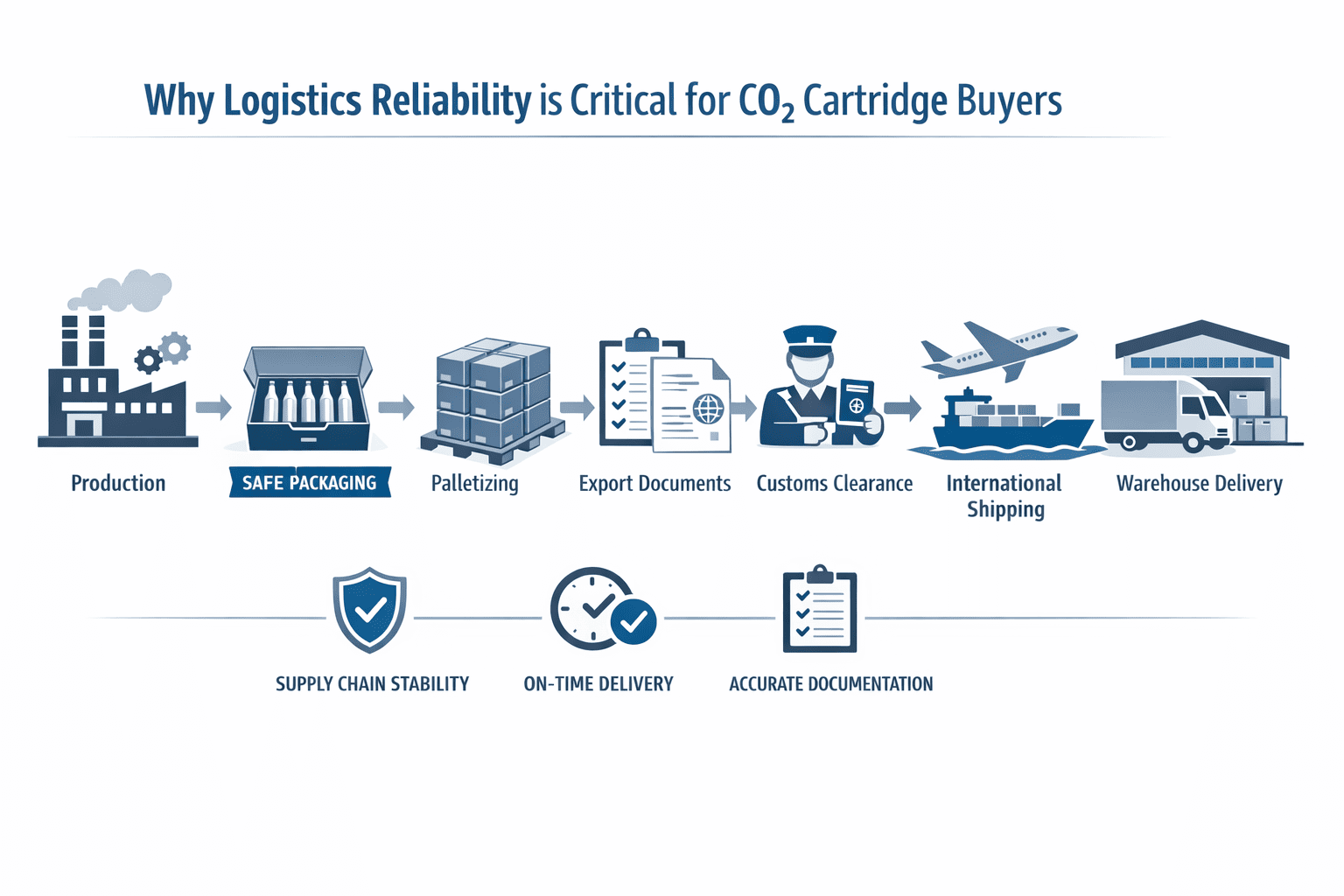
Instead of chasing certificates, focus on quality, labeling, and compliant shipping documentation.
We’ve published a full guide on CO2 cartridge specifications and shipping labels to help clarify which markings are necessary, what information matters, and how to stay compliant across global markets.
Ask Your Supplier for the Right Documents
- COA (Certificate of Analysis) — proves CO2 gas purity
- MSDS (Material Safety Data Sheet)
- UN Packaging standard compliance (if shipping internationally)
- Factory inspection or quality report — for reassurance
If you’re dealing with food-grade applications, you may also want:
- Food-grade CO2 certificate
- BPA-free confirmation (if for soda or beer use)
Conclusion
Small CO2 cartridges like 12g don’t require UL or DOT certification — what matters is that they’re safe, well-made, and compliant with transport regulations.