Skip to content
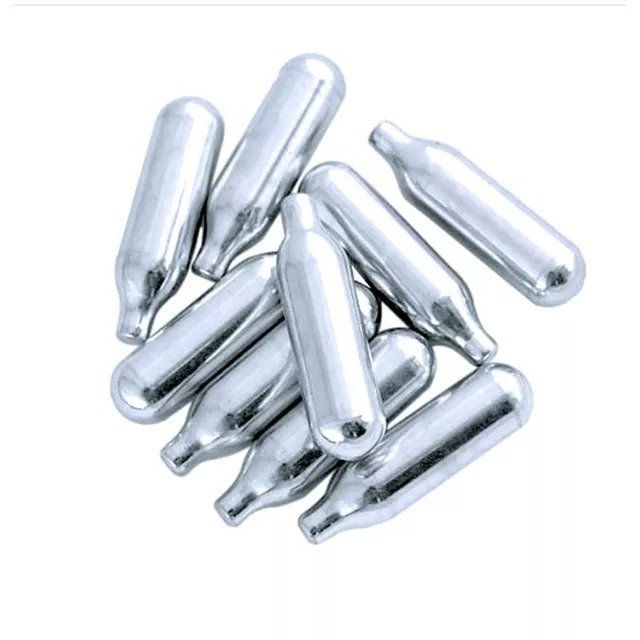
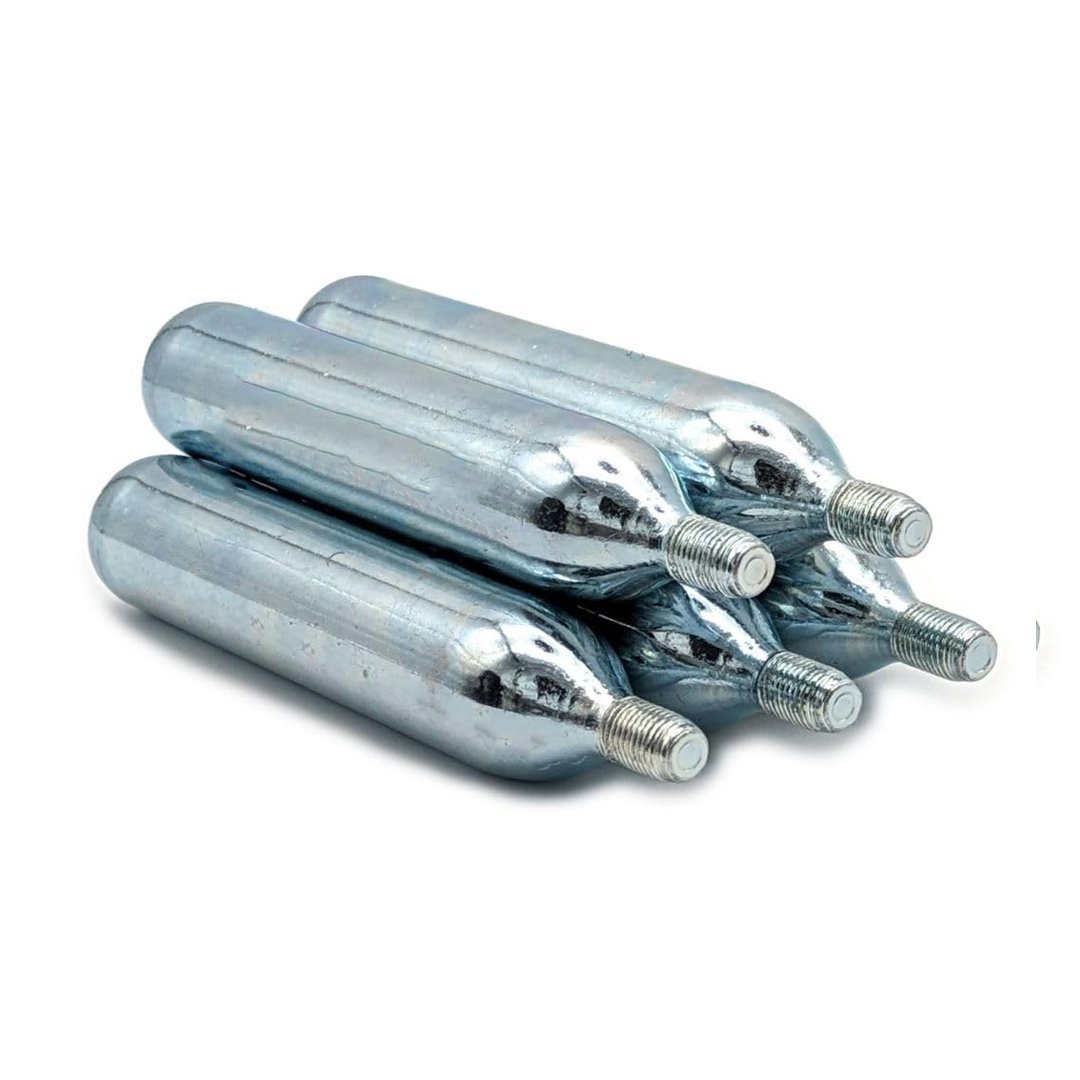
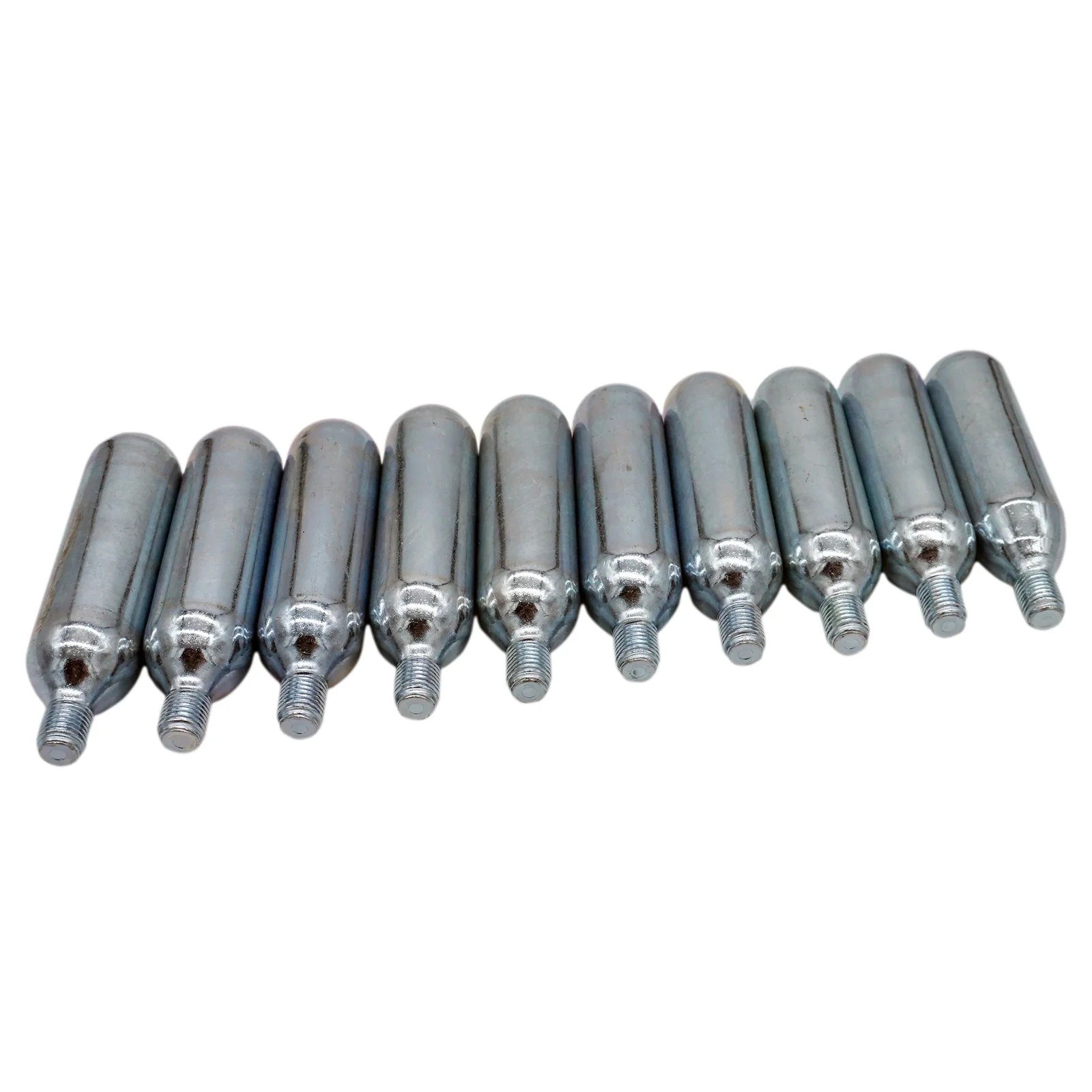
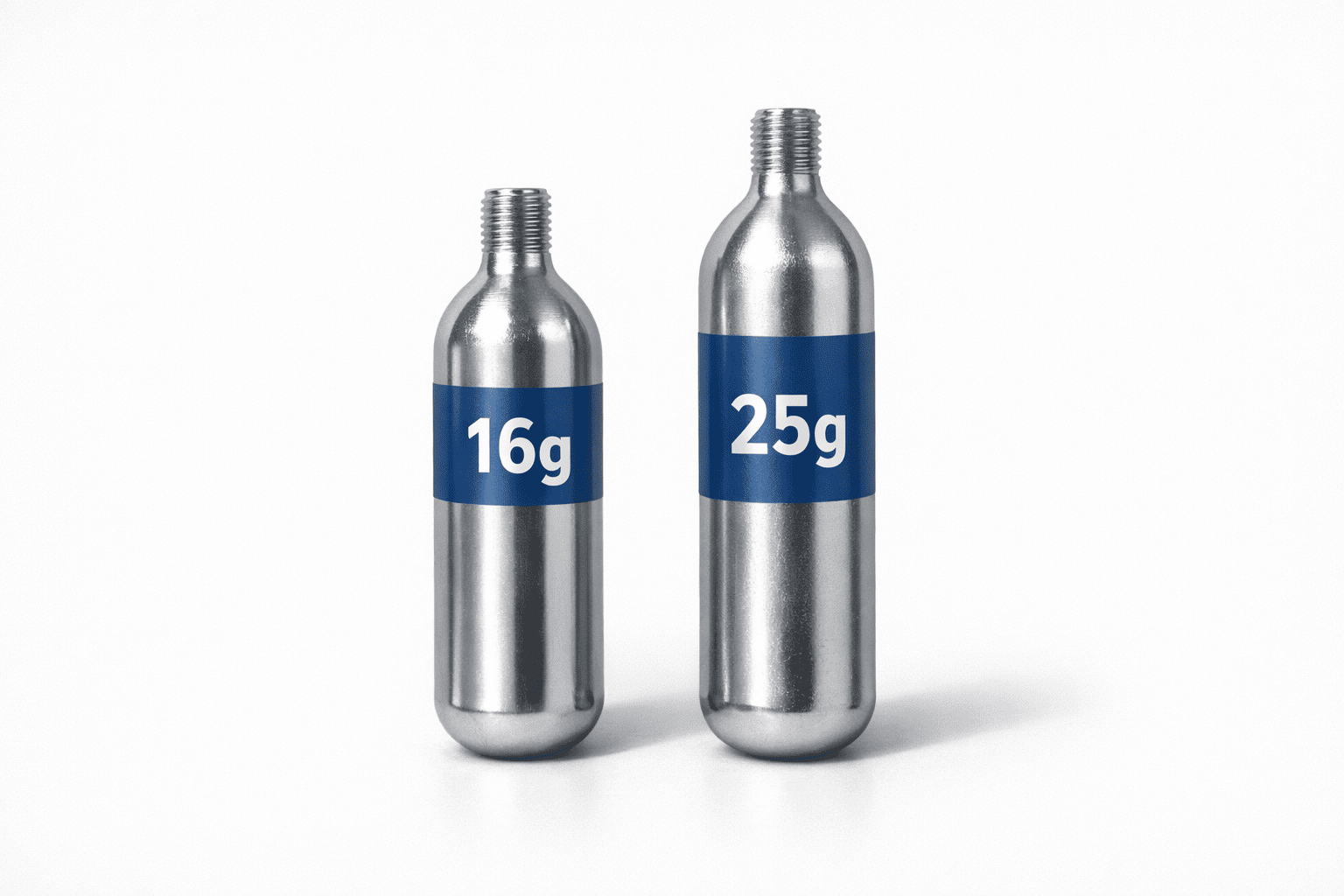
Everyone seems to agree on one thing. If you brew at home, you should use 16g CO2 cartridges. That advice shows up everywhere. But when something feels too universal, I always stop and ask one question: does this really fit my setup?
Short answer: following the crowd is not automatically wrong, but choosing 16g CO2 cartridges without thinking is often a shortcut, not a decision. The right choice depends on how you brew, how often you serve, and how much control you want.
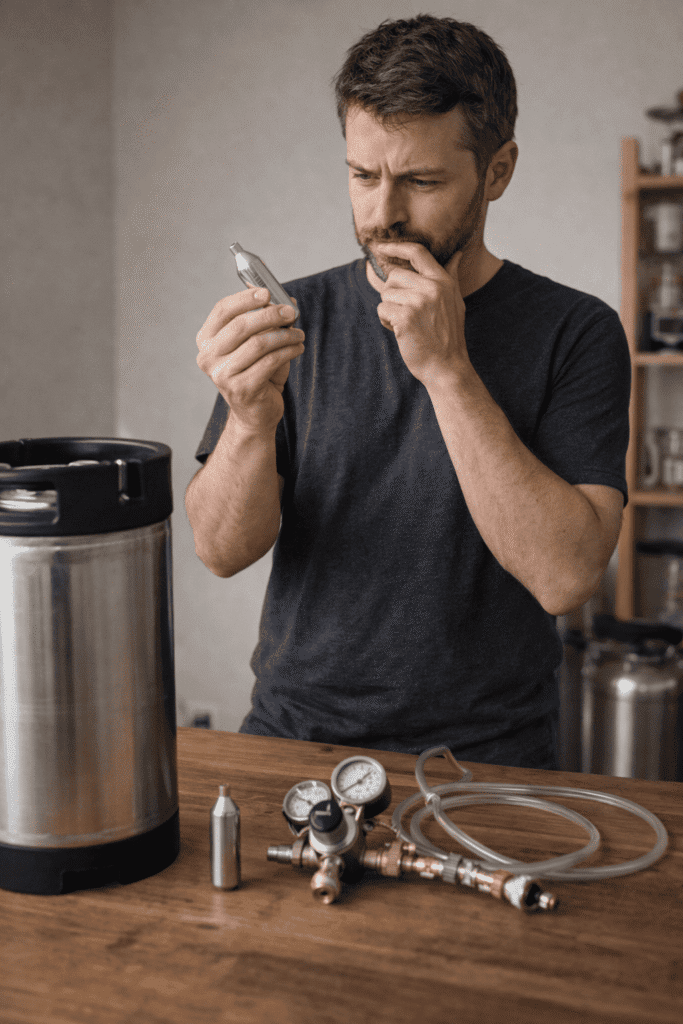
Before going further, I want to slow the conversation down. Cartridge size looks like a small detail, but in real homebrew use, it quietly shapes cost, stability, and daily experience.
Why does everyone recommend 16g CO2 cartridges for homebrew?
The popularity of 16g CO2 cartridges did not come from nowhere. They solve several beginner problems at the same time.
Most starter systems are designed around 16g. Tutorials assume small batches. Online answers repeat what worked for the last person. Over time, this becomes the default answer instead of a thoughtful one.
In practice, 16g works well because it is simple.
- Easy to find
- Easy to replace
- Compatible with many devices
- Low upfront cost
For a new brewer, this feels safe. And safety spreads faster than nuance.
The issue is not that the recommendation is wrong. The issue is that it is incomplete.
What goes wrong when you follow the crowd without checking fit?
Problems appear when your real usage does not match the assumptions behind the advice.
Most recommendations assume:
- Small volumes
- Infrequent serving
- Short sessions
- Minimal concern for long-term efficiency
When your reality changes, friction shows up.
I often hear the same complaints:
- “I run out of gas too fast.”
- “Carbonation feels inconsistent.”
- “I’m changing cartridges all the time.”
- “It costs more than I expected.”
None of these feel dramatic on day one. They show up quietly after repeated use.
At that point, people blame technique or equipment, when the real issue is gas supply.
When does 16g CO2 actually make sense?
I want to be very clear here. 16g CO2 cartridges are not a bad choice. They are a context-dependent choice.
They make sense if:
- You brew small batches
- You serve occasionally
- You value portability
- You want low commitment
- You are still testing your workflow
In these cases, 16g offers flexibility without forcing a long-term system decision.
This is exactly why beginners love them. They lower the entry barrier.
When does 16g stop being the smart choice?
As usage becomes more frequent, limitations appear.
16g often feels wrong when:
- You brew or serve often
- You handle larger volumes
- You want predictable carbonation
- You dislike frequent replacements
- You care about cost over time
Smaller cartridges empty quickly. Pressure drops faster. Adjustments become harder.
At this stage, convenience turns into interruption.
Many experienced homebrew users quietly move away from 16g, even if they started there. Not because 16g failed, but because their needs changed.
Gas volume matters more than people admit
Most discussions fixate on cartridge weight. That misses the real issue.
What actually matters is control.
Smaller cartridges:
- Lose pressure faster
- Allow less margin for adjustment
- Increase variability
Larger or more stable systems:
- Hold pressure longer
- Improve repeatability
- Reduce mid-session surprises
This is not opinion. It is basic gas behavior. If you want a neutral technical explanation of how carbonation works in beer, the mechanism is clearly explained in Wikipedia’s article on beer carbonation, which helps explain why smaller gas volumes tend to feel less stable over time.
The cost illusion of “cheap and popular”
On paper, 16g cartridges look affordable. The problem appears when you stop looking at price per unit and start looking at usage.
What many people forget to calculate:
- Cost per gram of CO2
- Number of cartridges used per month
- Time spent swapping cartridges
- Storage and restocking effort
Frequent replacement adds friction. Over time, it also adds cost.
This is usually the moment when people rethink their setup.
Matching cartridge choice to real beer use
Instead of asking “what does everyone use,” I prefer asking three simple questions:
- How often do I carbonate or serve?
- How much volume do I handle per session?
- Do I value convenience or consistency more?
Those answers matter more than trends.
For beer-specific use, this is exactly why I always frame cartridge selection around real serving behavior. I break this down in more detail in my guide on CO2 cartridges for beer, where the focus is not on popularity, but on how different cartridge sizes behave in actual beer applications.
Crowd wisdom is a starting point, not a conclusion
Crowd advice helps you start. It does not help you optimize.
Following the crowd becomes a mistake only when you stop questioning it. The goal is not to reject common advice, but to outgrow it when your situation changes.
Once you understand your own usage, cartridge choice stops being confusing. It becomes obvious.
Conclusion
16g CO2 cartridges are popular for a reason, but popularity is not a strategy. Use them if they fit your habits. If they don’t, move on. Good homebrew decisions come from usage, not trends.