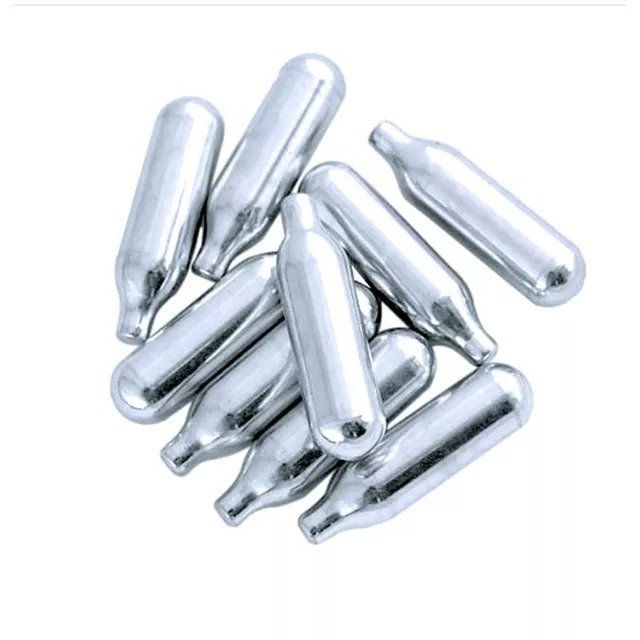
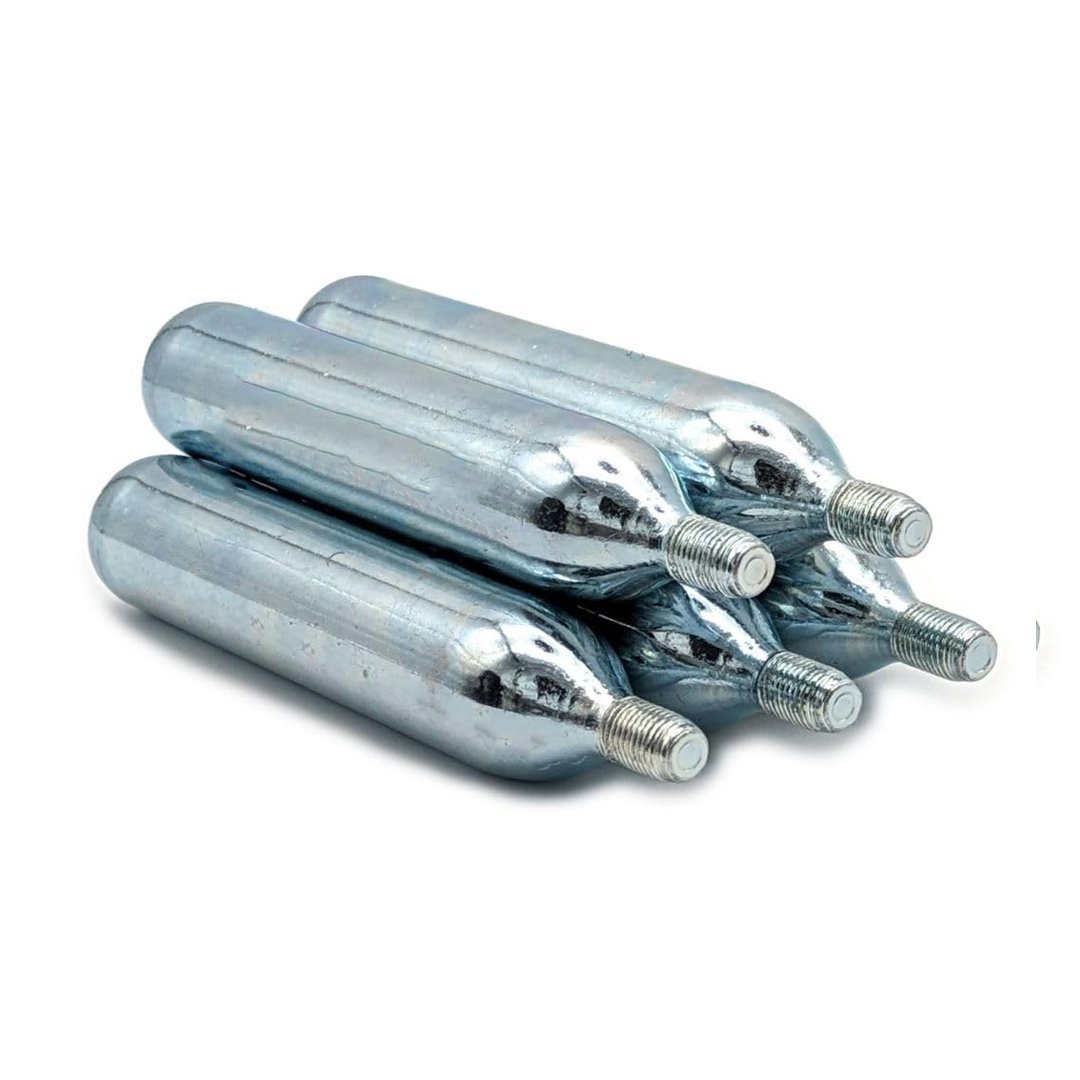
Inspectors are not trying to test your chemistry knowledge.
They are looking for whether your system is safe, traceable, and appropriate for food contact.
Most café owners imagine inspections focus on cleanliness alone. In reality, beverage systems are evaluated as part of the food chain. That means regulators look at materials, gas sources, labeling, and how the system is maintained—not just whether taps look clean.
If you understand what they actually check, inspections become routine instead of stressful.
They Look at Whether CO2 Is Appropriate for Food Contact
The first concern is simple:
Is the gas suitable for use in beverages?
If CO2 enters the drink—through carbonation, headspace pressure, or dispensing systems—inspectors expect it to meet food-related standards.
They are not usually running lab tests on site. What they look for is:
- Supplier documentation
- Gas labeling
- Clear separation between industrial and beverage gases
- No visible cross-use of cylinders
If a café cannot clearly explain where its CO2 comes from, that is already a red flag.
They Check System Integrity and Hygiene
Inspectors pay attention to:
- Draft lines
- Carbonators
- Mixing blocks
- Couplers
- Seals and joints
They look for residue, corrosion, improper fittings, and evidence of leaks. Gas leaks themselves are not only a safety issue—they also indicate unstable pressure, which affects beverage consistency.
A system that looks improvised usually triggers deeper questions.
They Look for Traceability
Traceability matters more than many operators realize.
Inspectors may ask:
- Who is your CO2 supplier?
- Is it labeled food-grade?
- Do you have purchase records?
- How are cylinders stored?
If documentation is inconsistent or mixed with industrial supplies, the conversation becomes longer.
Even if nothing is technically wrong, lack of clarity creates doubt.
They Observe Handling Practices
In smaller cafés, cartridge handling is often casual. That is understandable during busy service, but it does not look good during inspection.
Inspectors notice:
- Where cartridges are stored
- Whether food-contact gas is stored near chemicals
- Whether cylinders are visibly damaged
- Whether staff understand what they are using
Training matters. A confident explanation from staff reduces suspicion quickly.
They Watch for System Modifications
One common issue is “DIY adjustments.”
Improvised adapters, mixed regulators, or modified fittings raise concern. Not because every modification is unsafe—but because inspectors cannot verify its compliance easily.
Systems that look standard and professionally installed tend to pass faster.
What They Usually Do Not Do
It is important to be realistic.
Most inspections do not involve:
- On-site gas purity testing
- Advanced pressure diagnostics
- Deep chemical analysis
Inspectors work within practical limits. They focus on visible compliance, documentation, and obvious risk factors.
If your system looks organized, uses appropriate gas, and has basic records available, inspections are rarely dramatic.
Where Most Cafés Get Nervous
In my experience, anxiety usually comes from uncertainty, not actual violations.
Operators are unsure whether:
- Their CO2 technically counts as food-grade
- Their cartridges qualify as beverage-safe
- Their setup counts as direct contact
That uncertainty makes even routine questions feel threatening.
Once definitions are clear and documentation is consistent, inspections become predictable.
Conclusion
Inspectors look for suitability, cleanliness, traceability, and system integrity.
They are not trying to catch you on chemistry. They are checking whether your beverage system behaves like part of the food supply chain.
When CO2 sourcing, storage, and equipment setup are straightforward and defensible, inspections tend to move quickly and without conflict.