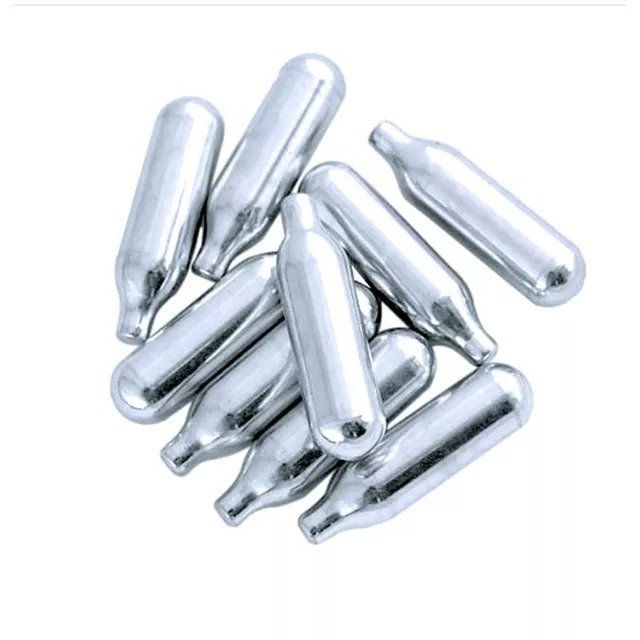
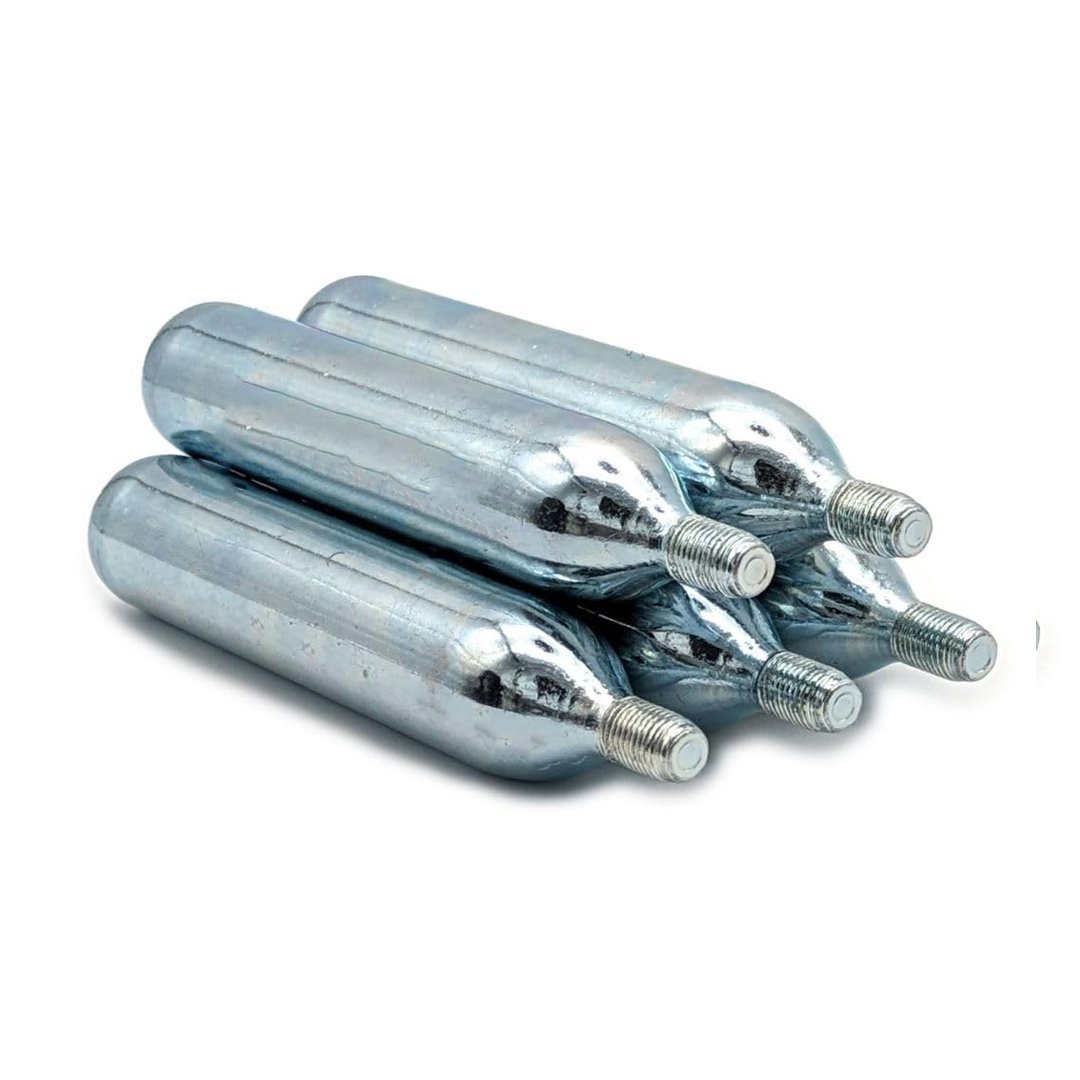
“Direct contact” means CO2 can physically touch the beverage or dissolve into it anywhere inside the system before it reaches the glass. If CO2 enters the liquid path, pressurizes the headspace of a keg, or is injected for carbonation, that equipment counts as direct contact. If CO2 stays in a separate gas-only path and never meets liquid, it usually does not.
TL;DR – Quick Summary
- If CO2 can touch the drink, it is “direct contact.”
- Kegs, couplers, draft lines, and carbonators are direct contact zones.
- Soda carbonation chambers are always direct contact.
- Regulators and gas-only hoses are usually not direct contact.
- If you are unsure, assume direct contact and choose beverage-safe gas.
Introduction
A lot of café owners tell me the same thing: “CO2 never touches the drink, it only pushes it.”
That sounds right until you look at how beer and soda systems actually work.
In real service, beer and soda setups are designed for gas and liquid to interact. That is how you carbonate. That is also how you keep pressure stable during dispensing. So if you are trying to decide what gas grade is appropriate, you first need one clear boundary:
Where can CO2 meet the beverage inside your system?
Once you answer that, the gas decision stops being confusing.
What counts as direct contact (the clear list)
Draft beer kegs
Inside a keg, CO2 pressurizes the headspace above the beer. That headspace contact matters because CO2 can dissolve into the beer over time. So kegs are direct contact.
Couplers, spears, and keg connectors
The coupler connects your gas supply to the keg and also connects the beer outlet to your lines. In daily use, these parts sit right at the gas–beer interface and can see backflow conditions if handling is sloppy or equipment is worn. Treat them as direct contact components.
Draft beer lines, taps, and towers
Beer lines and taps carry the beverage to the customer. They are obviously in contact with the drink, and they are part of the same closed path that is being pressurized by CO2. In practice, anything in the liquid path is direct contact.
Soda carbonators and carbonation chambers
This one is the simplest: soda systems inject CO2 into water and force it to dissolve. Carbonation chambers, injectors, diffusers, and carbonator pumps are direct contact by design.
Post-mix soda dispensers (mixing blocks, valves)
In post-mix systems, CO2 may be used to carbonate water and then mix with syrup. Any mixing block or valve that handles carbonated water is in direct contact territory.
What usually does NOT count as direct contact
Regulators, gauges, and most gas-only hoses
A regulator controls pressure. A gas-only hose carries CO2 from the source to the system. If these components never see liquid and are properly installed, they are typically not direct contact.
That said, they still matter for stability. A bad regulator creates pressure swings, and pressure swings create foam problems. So even if they are not direct contact, they still affect results.
Shutoff valves upstream of the system
If a valve is purely upstream on the gas side, and never exposed to liquid, it is usually not direct contact.
The gray area cafés run into with compact setups
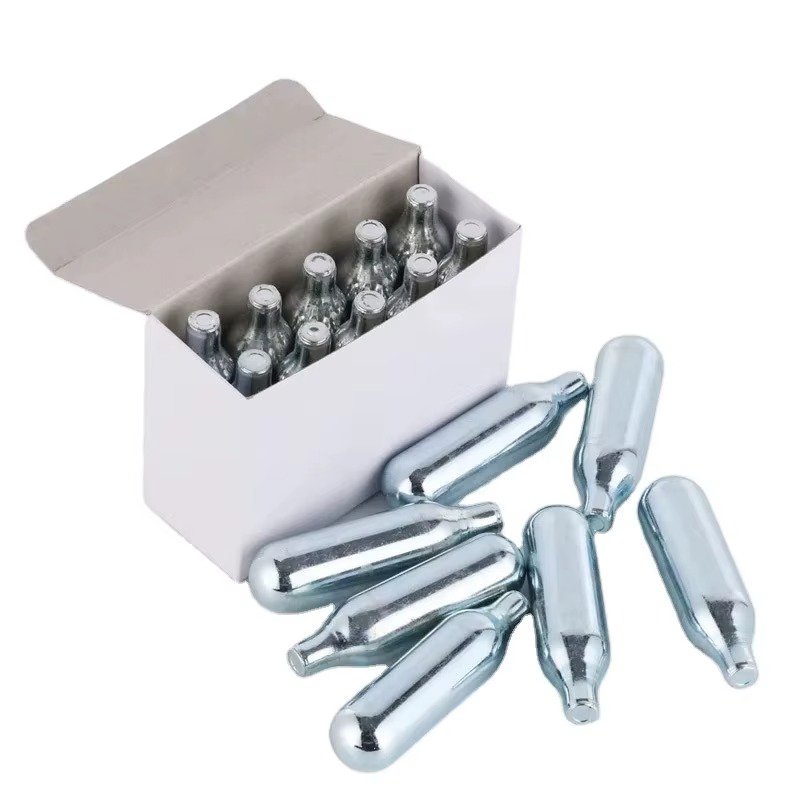
Small cafés often use compact or disposable systems. These setups can blur the boundary because everything is close together, and staff change cartridges more often.
Here is what I tell buyers when they send me photos of their setup:
- If the cartridge screws into a unit that also touches liquid, treat the cartridge gas as direct contact.
- If the system has any chance of backflow or shared chambers, treat it as direct contact.
- If you cannot confidently prove separation, do not assume separation.
That approach prevents the most common “it worked fine at first” problems.
A simple test you can use without diagrams
Ask yourself one question:
Can CO2 enter the same internal space as the drink before it reaches the glass?
- If yes → direct contact
- If no → usually not direct contact
If the answer is “I’m not sure,” then operationally you should treat it as direct contact. That is the safe boundary, and it avoids arguments later.
Where this connects to gas selection (one natural link)
Once you classify your equipment correctly, gas selection becomes straightforward. Direct-contact systems should be treated as beverage-facing systems, not industrial tools. If you want the practical reasoning behind that decision for beer and soda service, I explained it here: What gas should cafés use for beer and soda equipment that touches drinks?
Conclusion
Direct contact is not a label you argue about. It is a physical reality inside the system.
If CO2 can touch the drink or dissolve into it before serving, that equipment is direct contact. Once you draw that line, you can make cleaner, safer, and more consistent choices without guessing.