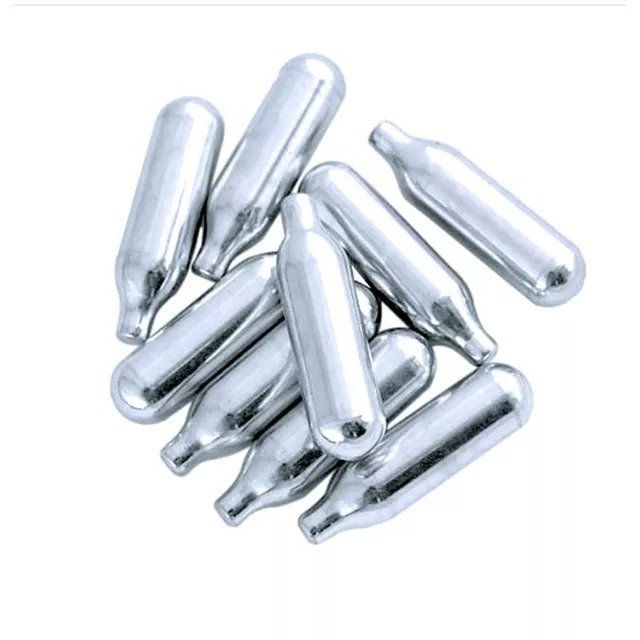
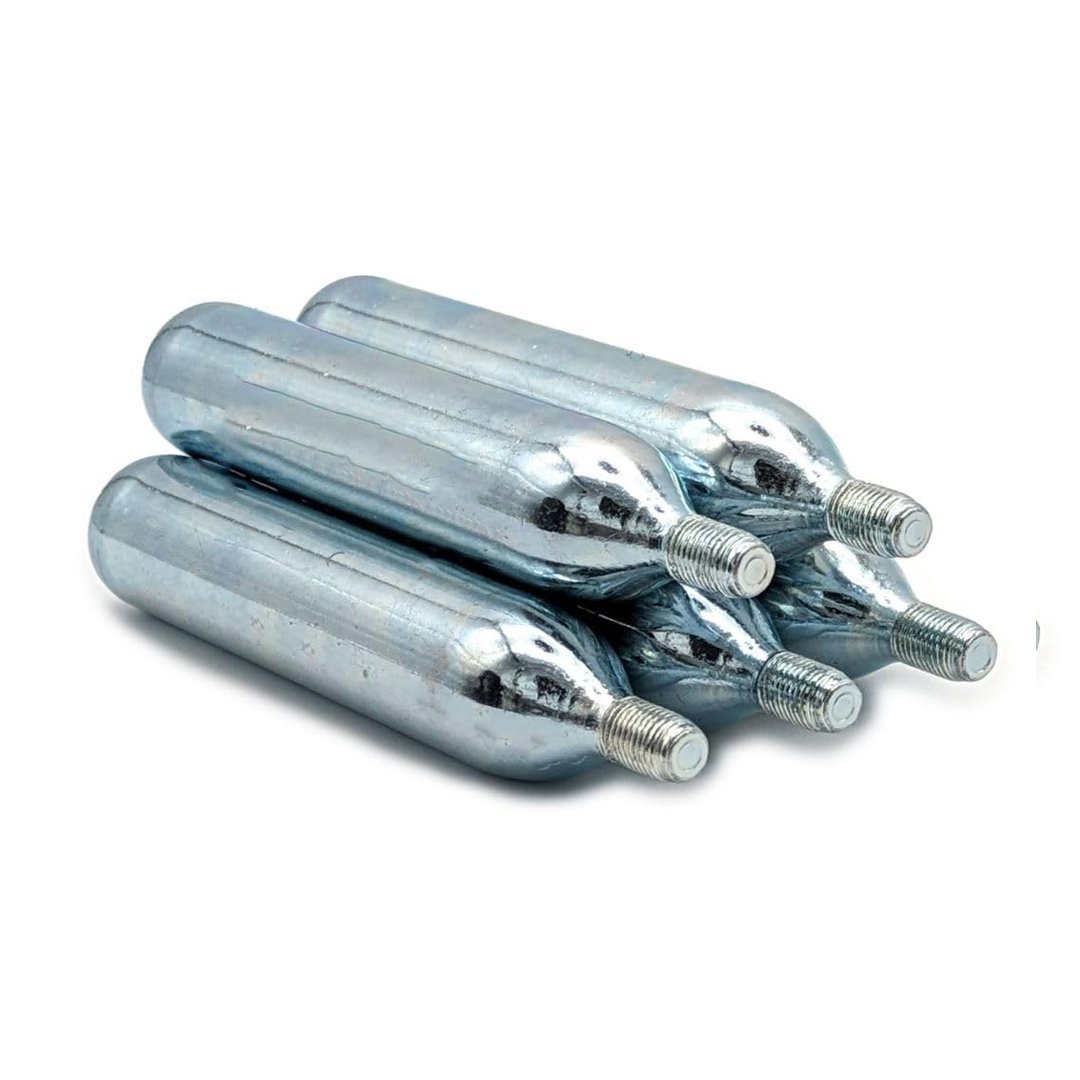
Choosing the right CO2 cartridge for restaurant soda machines depends on your drink volume, refill frequency, and machine compatibility. 16g or larger cartridges are typically best due to better pressure stability and lower replacement frequency.
Quick Summary
- 16g and 25g CO2 cartridges are ideal for most restaurants.
- 8g cartridges run out too quickly and are inefficient for commercial use.
- Larger cartridges reduce labor and ensure stable carbonation.
- Food-grade CO2 is essential for soda applications.
- Match thread type and PSI with your soda machine’s spec.
Introduction
Many restaurants underestimate how quickly CO2 runs out — until they realize their soda machines are being refilled three times a day. That’s when problems start.
For most restaurants, a 16g or larger CO2 cartridge is the most efficient choice for soda machines. These sizes balance pressure stability, service capacity, and fewer interruptions, unlike 8g cartridges which often underdeliver in high-demand settings.
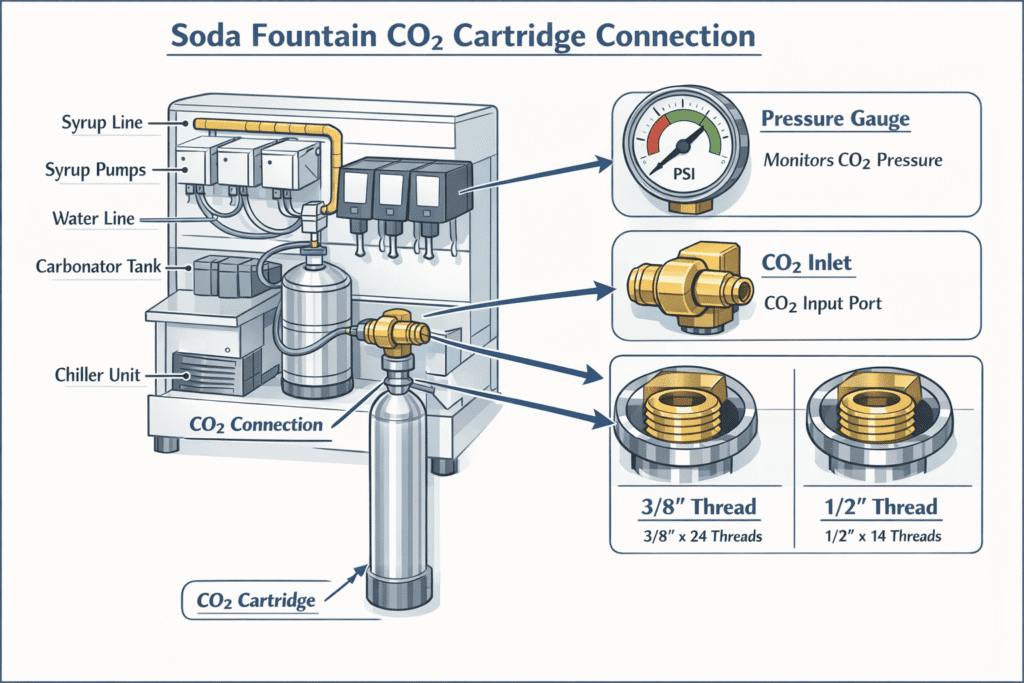
Choosing the right CO2 cartridge isn’t just about size—it affects service speed, drink quality, and your long-term operating cost. Let’s break it down.
Why cartridge size affects restaurant efficiency
Running out of CO2 during peak hours? That’s a real nightmare for any busy restaurant.
Cartridge size directly affects how often you need to replace them. Smaller sizes mean more frequent changeovers, interruptions, and higher labor cost.
Operational Efficiency
| Cartridge Size | Refill Frequency | Labor Disruption |
|---|---|---|
| 8g | High (2-3/day) | High |
| 16g | Moderate (1/day) | Medium |
| 25g+ | Low (every 2-3 days) | Low |
Beverage Consistency
Smaller cartridges lose pressure faster, making your soda less fizzy and disappointing to customers. On the other hand, larger cartridges provide stable carbonation, ensuring consistent beverage quality across the day.
In fact, carbonation quality is directly linked to CO2 stability under pressure. If you’re curious about how beverage equipment uses gas to maintain quality, here’s a simple breakdown of how soda machines work.
Want to explore the right options for your soda setup? We’ve outlined key sizes and use cases in our CO2 cartridge guide for soda makers, which includes specs, thread types, and best practices.
Downsides of using small 8g CO2 cartridges
It might look like a good deal — cheap, compact, easy to replace. But is it?
8g cartridges are designed for occasional use, not for the constant demand of a restaurant environment. They drive up long-term costs and maintenance.
Cost Breakdown (Per Liter Soda)
| Size | Estimated Soda Output | Cost per Liter |
|---|---|---|
| 8g | 1.2–1.5L | High |
| 16g | 3–4L | Medium |
| 25g | 6–8L | Low |
Risk Factors
- Frequent changes = more chances of leaks or human error
- Higher carbon footprint due to more frequent disposal
- Not ideal for food-grade compliance if not properly sourced
Matching the right CO2 cartridge to your machine
Not all soda machines are created equal—and neither are cartridges.
Match the CO2 cartridge size to your daily drink volume and machine compatibility. Go for food-grade CO2, and avoid refilling hassle by choosing larger, standardized formats.
Compatibility Checklist
- Check your machine’s PSI requirement
- Confirm thread size (3/8 or 1/2 inch)
- Always ask for food-grade CO2 certification
My Brand’s Options
| Size | Thread | Output | Best For |
|---|---|---|---|
| 16g | 3/8 | 3–4L | Daily restaurant use |
| 25g | 3/8 | 6–8L | High-volume bars |
| 33g | 1/2 | 10L+ | Chain restaurants |
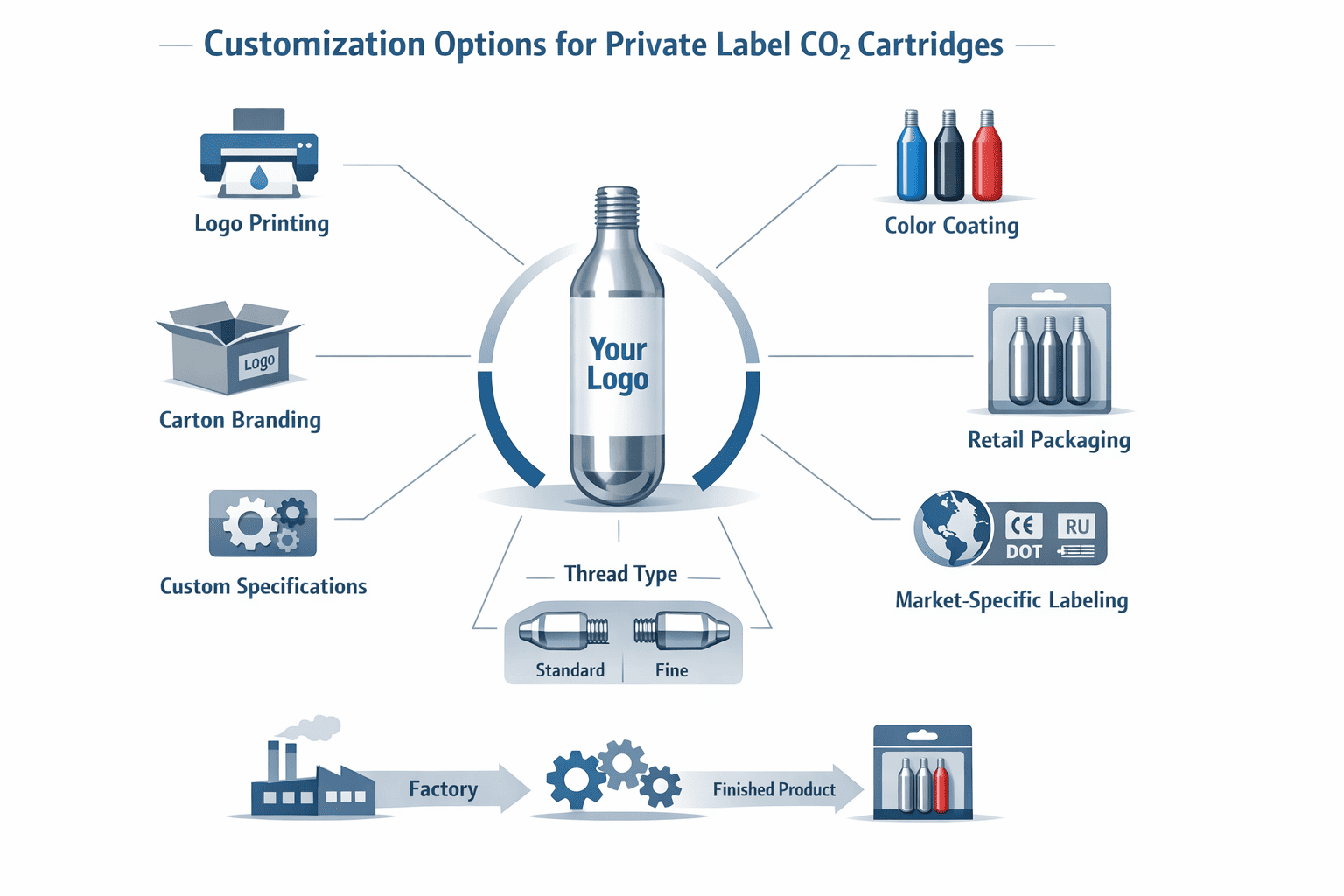
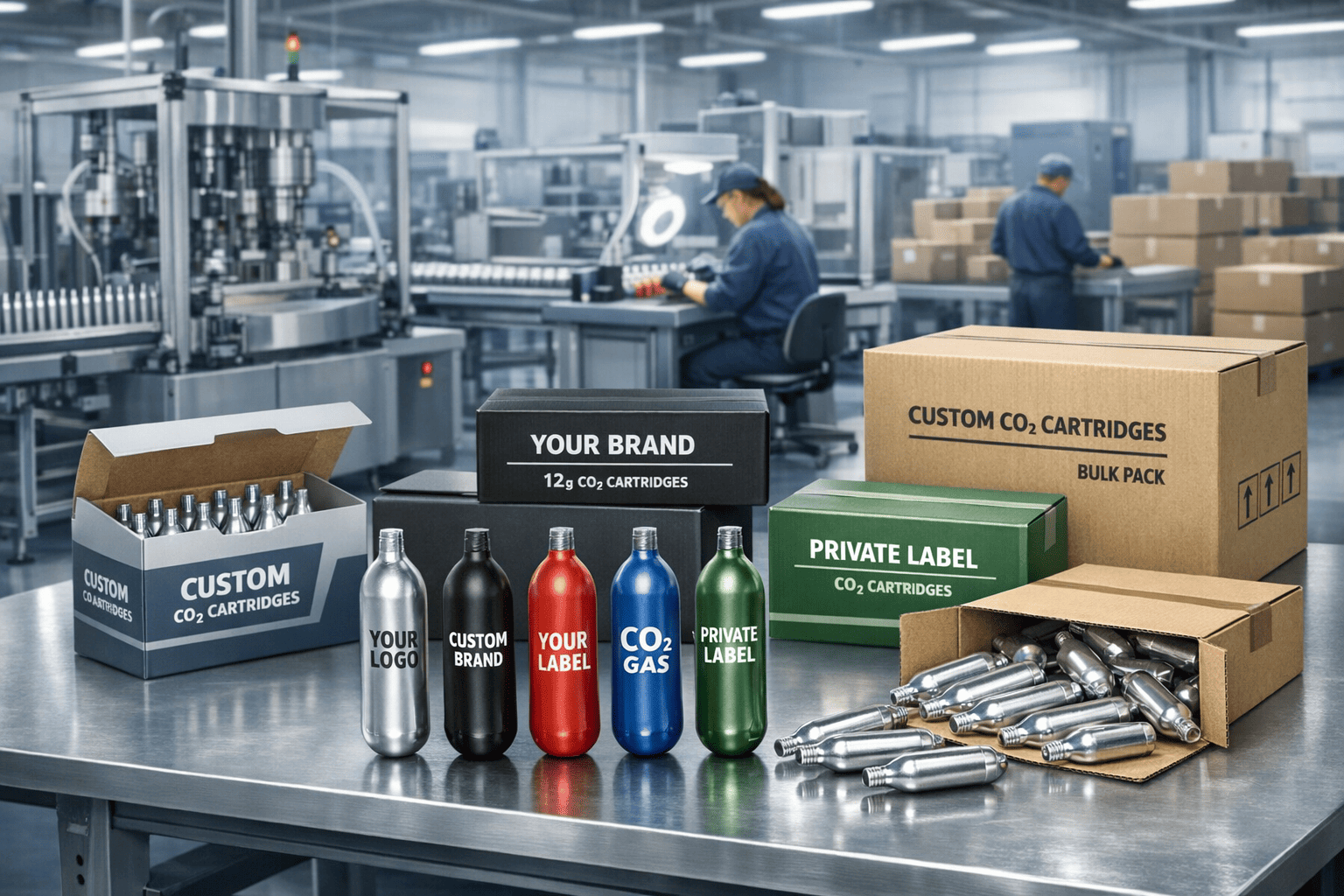
Pro Tip: Customize Your Cartridge
- Add your logo
- Brand packaging for white-label resale
- Bulk supply = lower cost/unit
Conclusion
Choosing the right CO2 cartridge helps you serve better drinks, cut waste, and reduce labor. 16g or 25g sizes are ideal for most restaurants that prioritize drink quality and operational efficiency.