Skip to content
More and more homebrewers are frustrated. Their beer tastes great, but the carbonation is off, or the keg system isn’t flowing smoothly. The problem? The wrong CO2 cartridge. As homebrewing evolves, so do the demands on every tiny part of the system — including gas.
Today’s homebrewers are demanding food-grade, mini-sized, and visually clean CO2 cartridges that offer reliable carbonation, easy installation, and brandability.
For small-batch brewers and at-home enthusiasts, choosing the right CO2 cartridge makes the difference between foam disaster and perfect pour.
Why are homebrewers turning to CO2 cartridges?
Homebrewing used to mean bottling and waiting weeks. Now, homebrewers want fast, clean, and pro-style kegging systems. That means CO2 cartridges.
Because CO2 cartridges offer compact, controlled, and clean carbonation, they have become essential tools in modern homebrew setups.
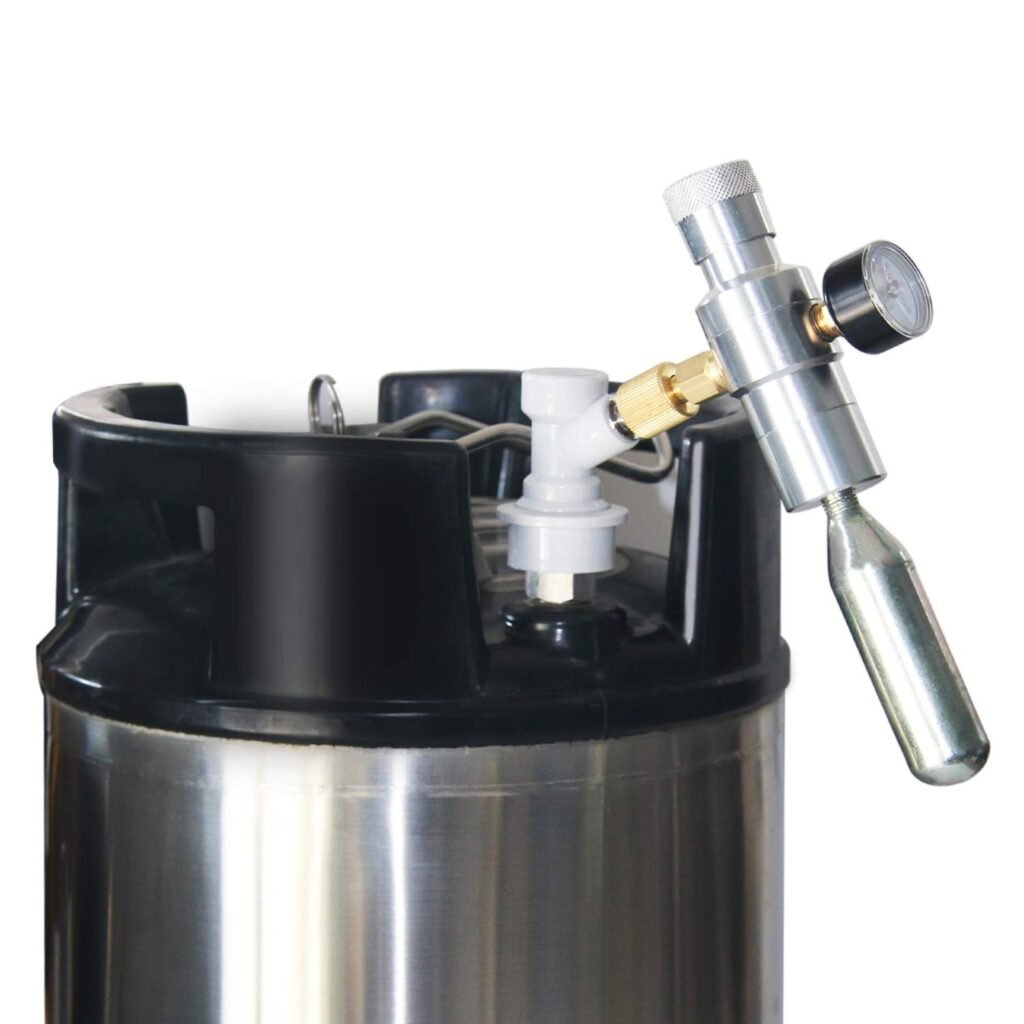
Homebrewers are skipping the hassle of full-size tanks. Small CO2 cartridges are easier to store, swap, and carry to parties or tastings. Plus, they work well with mini kegs, tap systems, and mobile draft boxes. Many are learning from the commercial brewing world and adopting scaled-down tools that deliver similar performance.
And the shift is not just practical, but psychological. Using sleek cartridges feels more professional. It adds a touch of authenticity and control that homebrewers take pride in. Just like the coffee world moved from drip to precision espresso, beer lovers are upgrading their tools too.
What cartridge specs matter most for homebrew use?
Homebrewers are picky. And they should be. After all, they brew beer with love and precision.
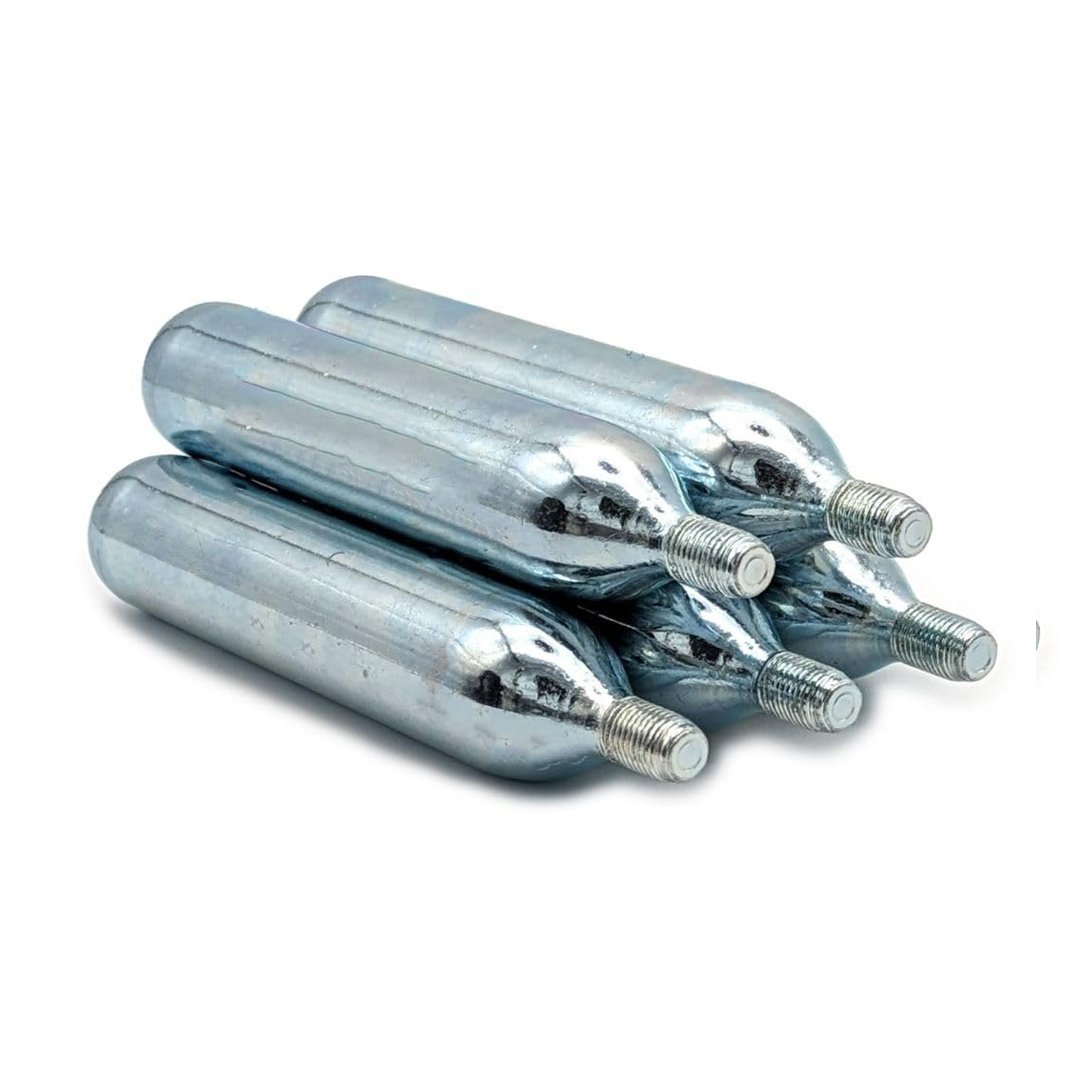
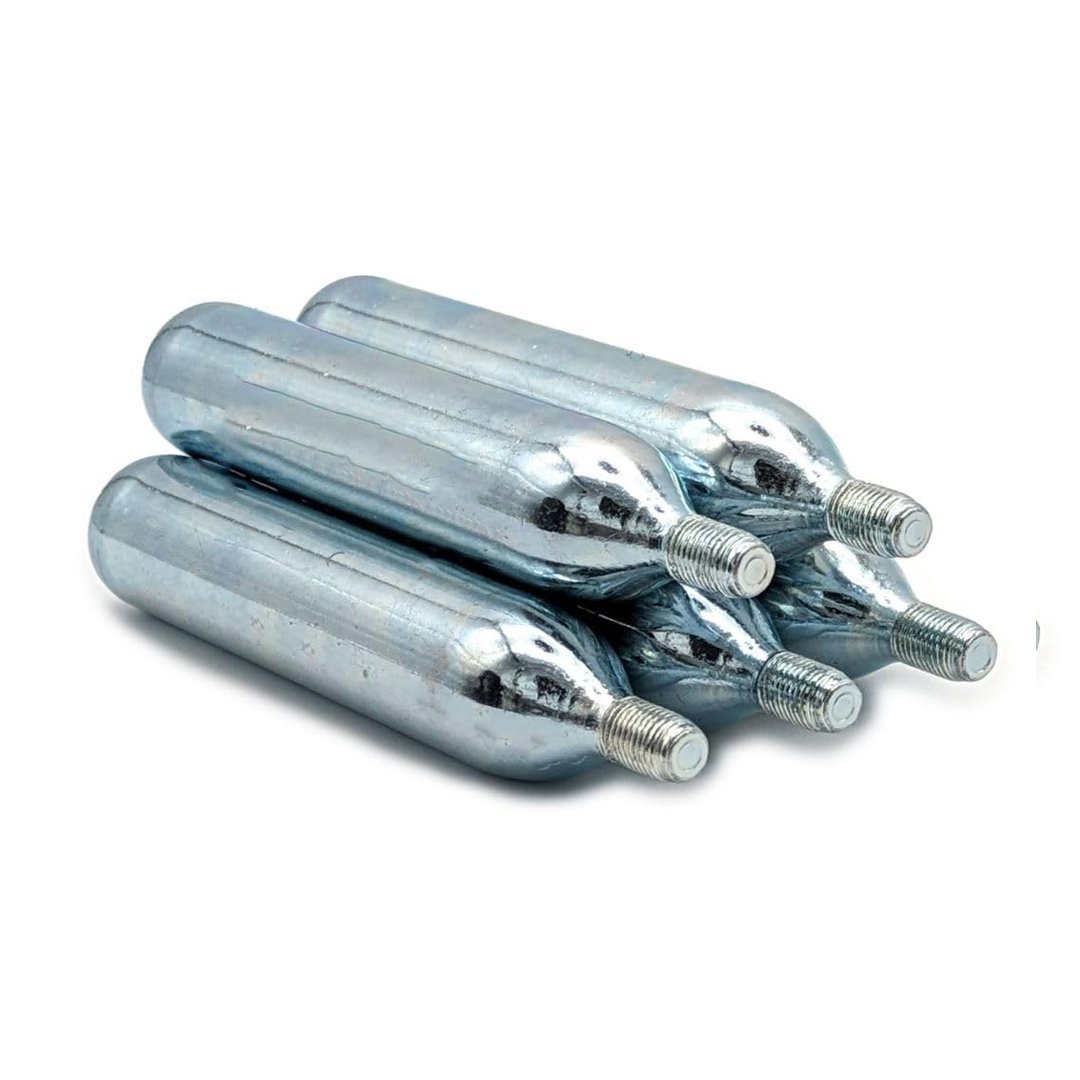
The most in-demand CO2 cartridges for homebrewers are food-grade, 16g to 25g, and threaded for secure connections — with a clean, branded exterior.
Three specs stand out:
1. Food-Grade Gas
No compromise here. Because CO2 touches the final product, homebrewers demand food-grade gas with purity above 99.9%. Many prefer steam-cleaned steel cartridges to avoid any taste contamination.
2. Size Options for Batch Control
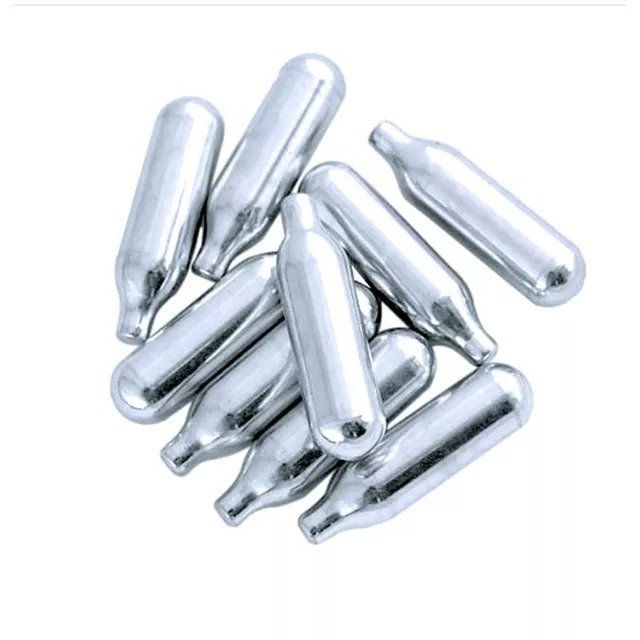
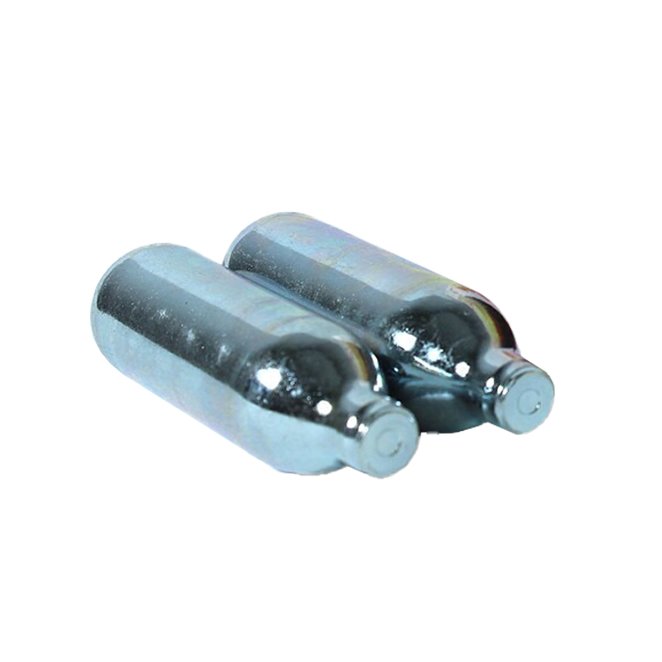
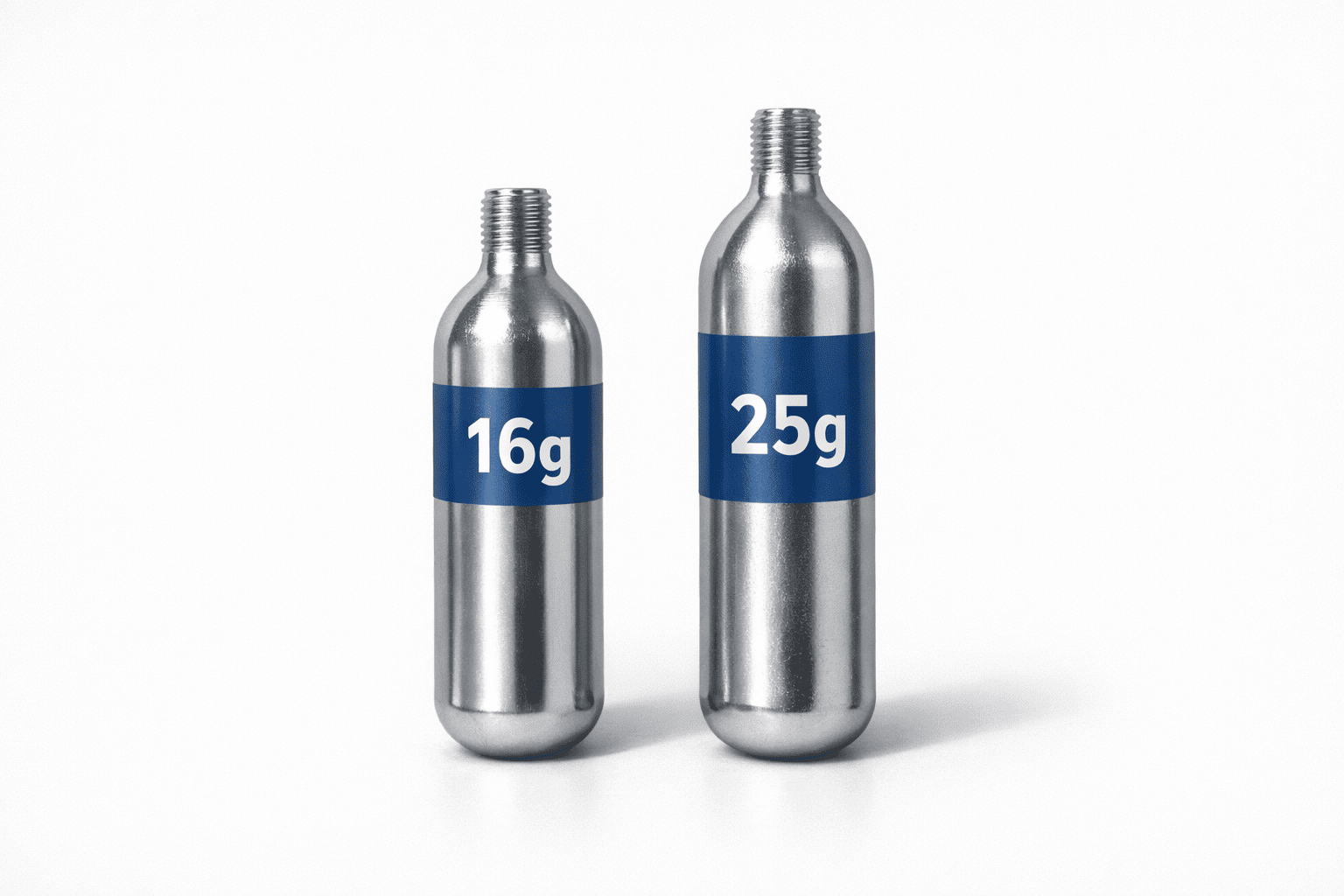
12g is great for portability, but many prefer 16g or even 25g cartridges to match mini kegs or compact CO2 regulators. These sizes allow more pours before swapping.
| Cartridge Size | Best Use Case | Notes |
|---|---|---|
| 12g | Ultra-portable taps | Ideal for 1L growlers |
| 16g | Standard mini kegs | Balanced size and usage |
| 25g | Higher-volume pouring | Fewer swaps, good for parties |
3. Threaded vs. Non-Threaded
Threaded cartridges are safer and more compatible with homebrew regulators. They allow better sealing and avoid gas leaks.
There’s also an emerging demand for aesthetic and brandable designs — not just blank steel cylinders. This includes options like logo printing or colored cartridges that match the brewer’s identity, especially for small brands or serious hobbyists.
More technical information about beer gas specs can be found in the in-depth guide on carbonation science.
How can suppliers better meet the needs of homebrewers?
Homebrewers don’t just want cheap bulk options. They want customization, reliability, and a bit of flair.
Suppliers that offer customizable, food-grade, and small-batch CO2 cartridges with quick delivery and solid branding support will win the homebrew market.
Here are some ways suppliers can respond:
Offer Full Product Transparency
Labeling matters. Clearly mark food-grade certification, gas weight, and compatibility. Homebrewers love details.
Enable Low-MOQ Customization
Let small brands or serious hobbyists print their logo or choose special coatings/colors. This builds loyalty.
Promote Compatibility with Homebrew Gear
Work with tap and keg system manufacturers to ensure seamless fit. Include adapter guides and usage charts.
Educate Through Content
Many new homebrewers are still learning. Creating guides, videos, and case studies helps build trust. For example, the guide to beer CO2 cartridges explains sizing and use in practical terms.
In short, suppliers must treat homebrewers like the serious prosumers they are. Convenience, safety, quality, and style all matter.
Conclusion
Homebrewers want food-grade, mid-sized, threaded CO2 cartridges with performance and personality. The right cartridge? It’s the secret to the perfect pint.