Skip to content
Over the past decade, running a gas cartridge factory, I’ve had one question come up again and again from customers: “Which gas should I use for my beverage — soda, beer, or wine?”
Here’s my short answer:
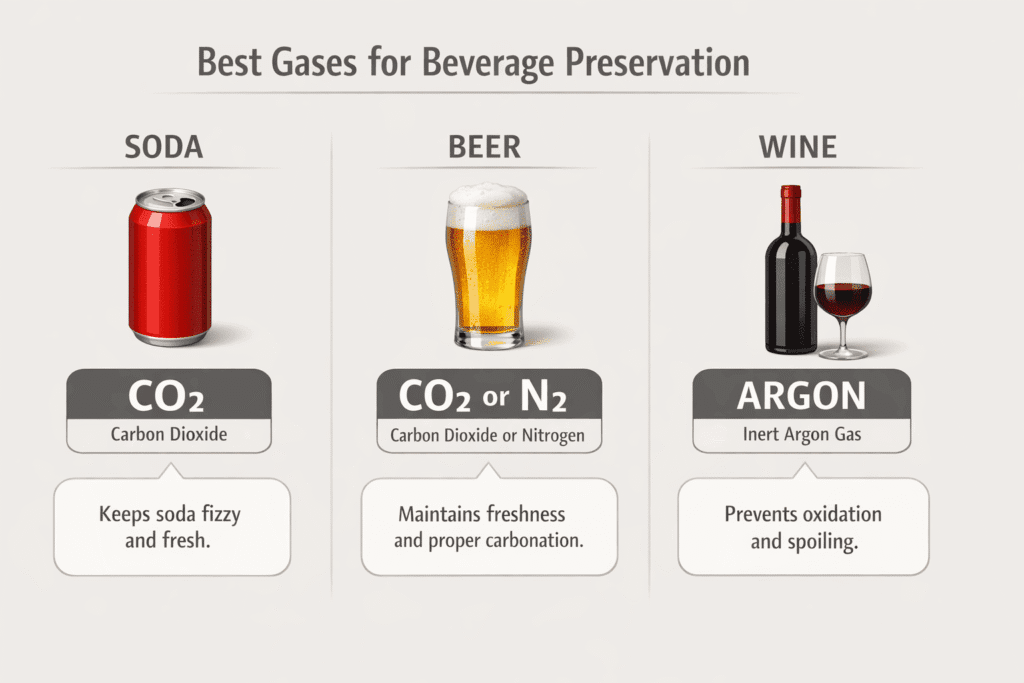
Use CO2 for soda, CO2 or a CO2 + N2 mix for beer, and argon for wine. The right gas doesn’t just preserve freshness — it protects your brand reputation.
Let me walk you through why each beverage needs a different gas. These aren’t guesses — this is based on feedback from our global clients and the results we’ve seen through our own testing and production lines.
Soda — Why CO2 Is the Only Real Option
I always tell clients in the soda industry: If you remove CO2 from the equation, you’re not preserving soda — you’re changing it.
CO2 isn’t just the fizz; it’s essential to taste, shelf life, and microbial safety.
What we’ve seen in production
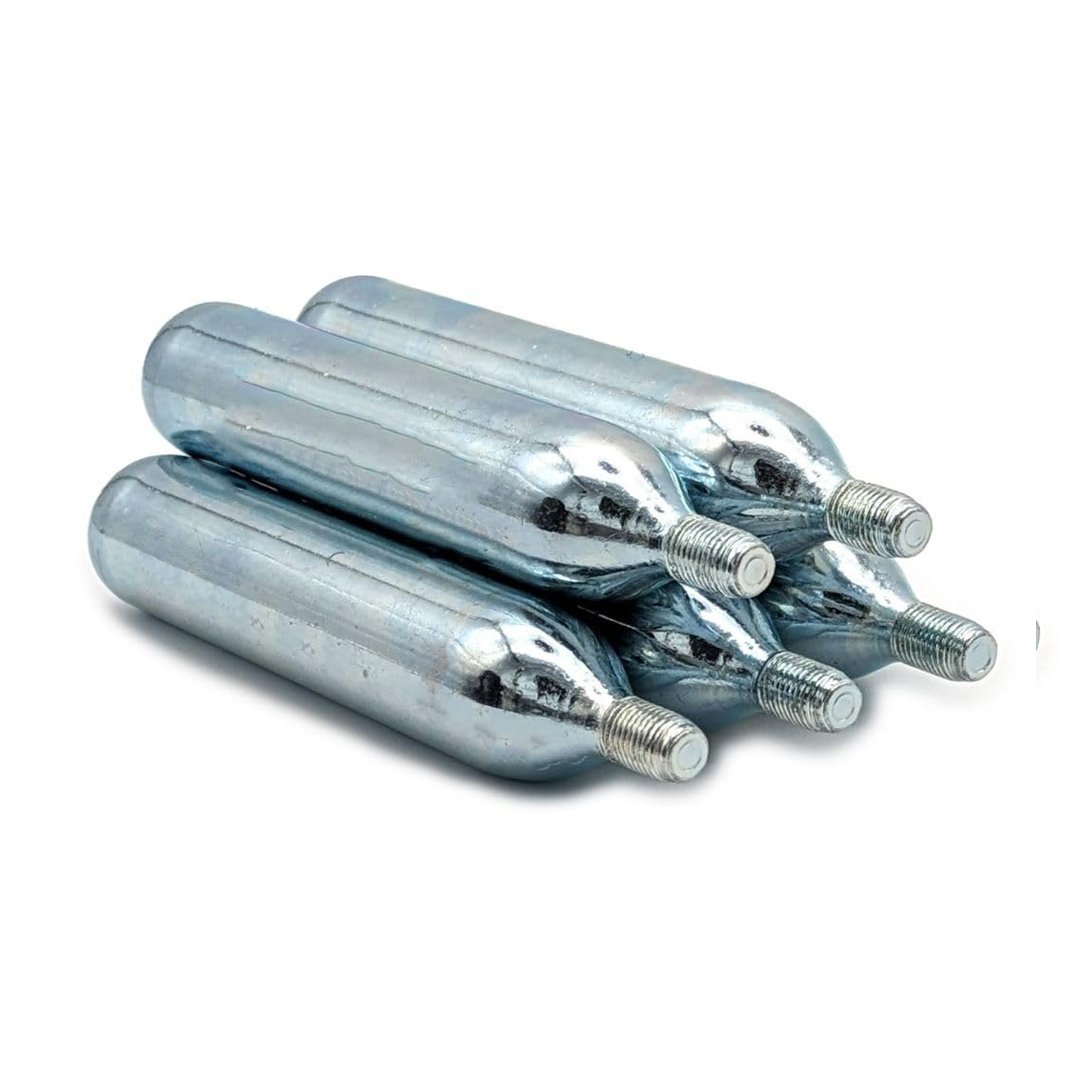
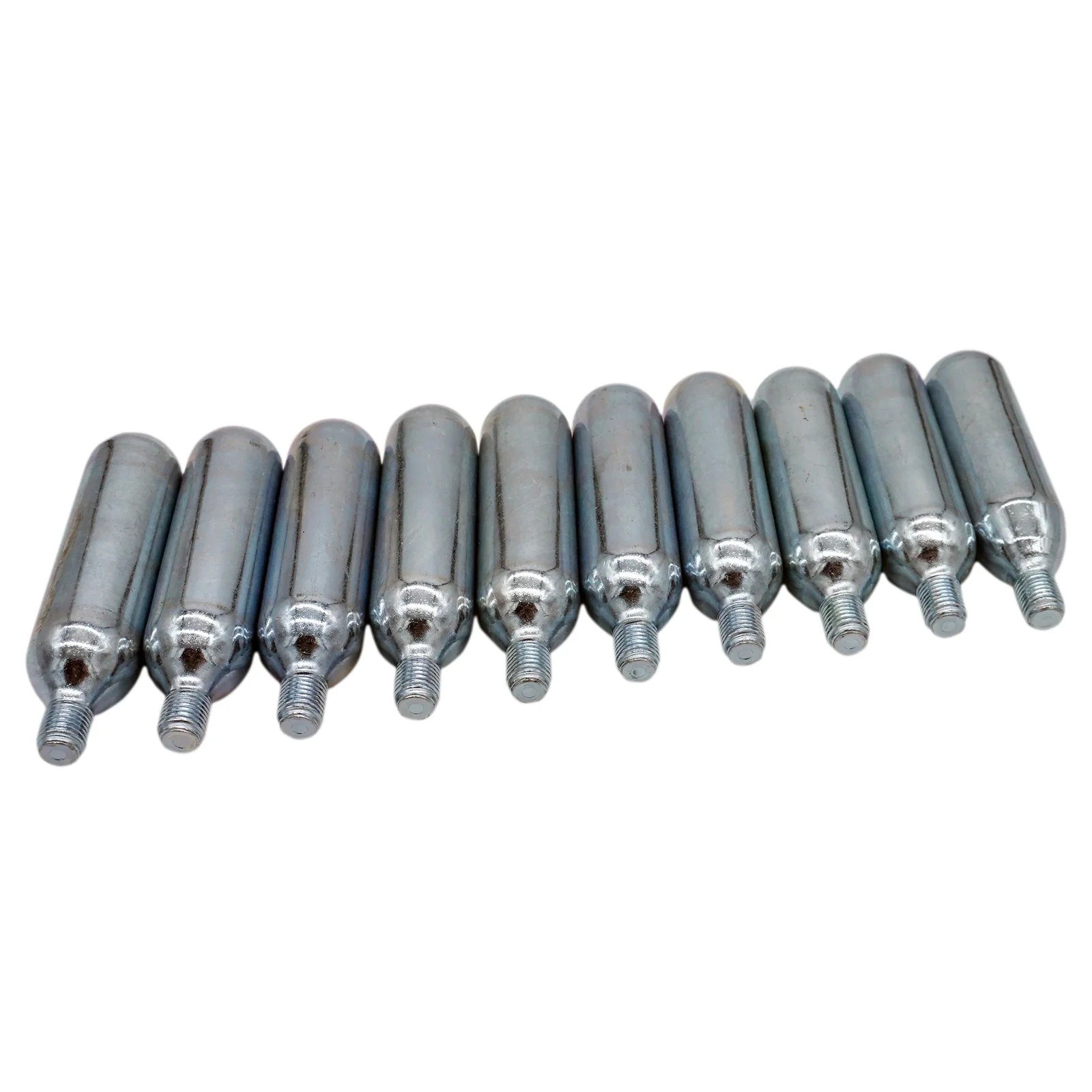
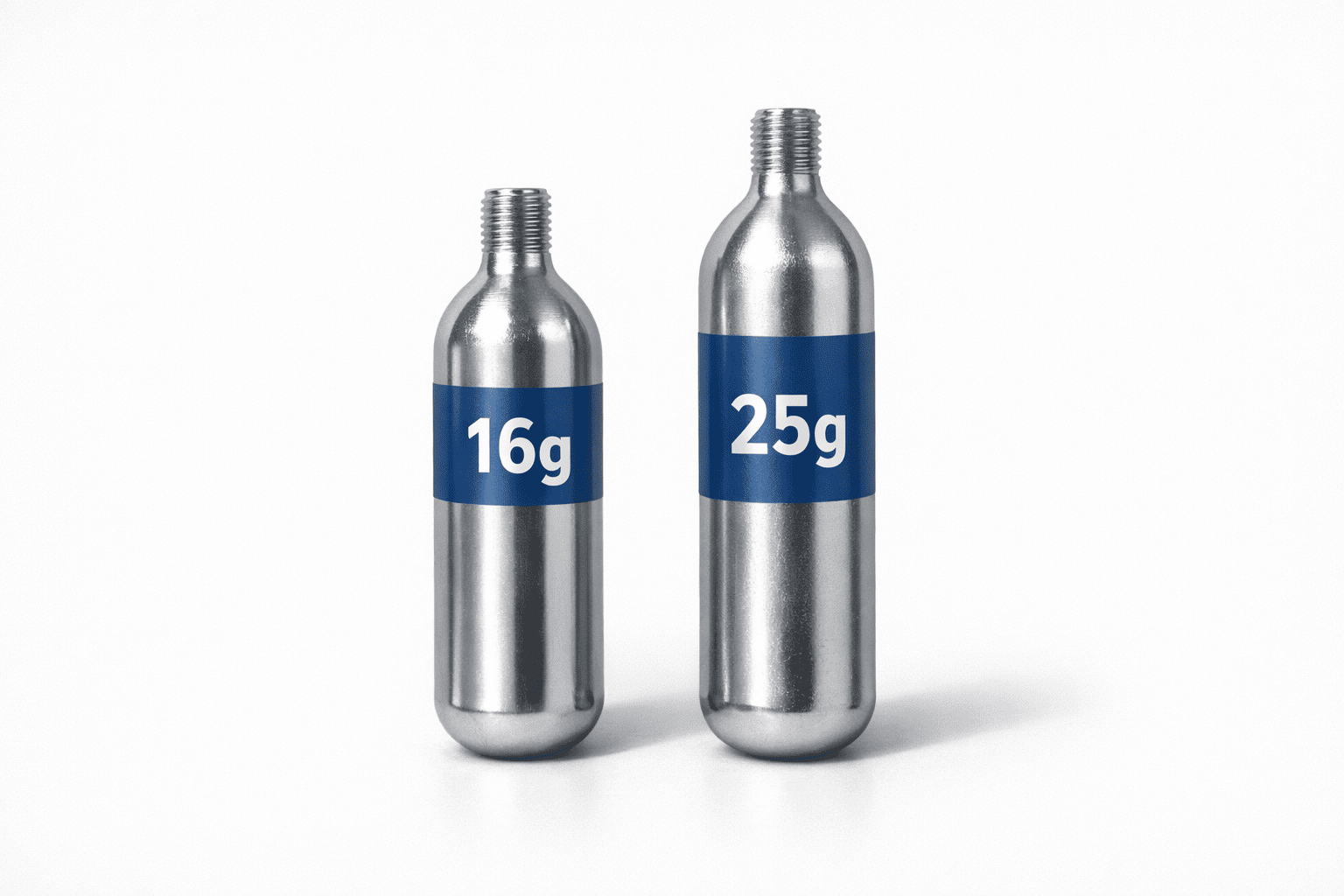
We manufacture thousands of 8g, 12g, and 16g CO2 cartridges monthly for soda brands and soda machine suppliers. When someone tries using nitrogen or argon instead, the result is always the same: flat soda, off taste, and customer complaints.
Here’s how the gases compare:
| Property | CO2 | Nitrogen | Argon |
|---|---|---|---|
| Carbonation | Excellent | Poor | None |
| Taste impact | Enhances crispness | Feels dull | Flat |
| Microbial control | Strong (acidic pH) | Moderate | Moderate |
| Cost & access | Affordable | Moderate | Expensive |
If you want a deeper explanation of how gas pressure and temperature affect soda storage, I highly recommend this science-backed overview on beverage gas behavior.
Beer — Should You Use CO2 or Nitrogen?
When it comes to beer, there’s no one-size-fits-all. I work with clients from Germany to Australia who use different gas blends depending on the beer style they’re serving.
Most beers still use CO2, but nitrogen (or a CO2/N2 mix) is ideal for smooth, creamy stouts or draft systems.
How we help clients choose the right gas mix
Some of our bar and brewery clients request CO2 + N2 mixes to fine-tune mouthfeel and foam. Others stick with pure CO2 for that crisp bite. Argon? Almost never used in beer — it doesn’t carbonate or enhance the drinking experience.
| Beer Style | Recommended Gas | Why It Works |
|---|---|---|
| Lagers, IPAs | CO2 | Strong carbonation and crisp finish |
| Stouts, nitro beers | CO2 + N2 | Creamy mouthfeel and stable head |
| Cask ales | CO2 | Traditional carbonation |
We’ve even helped some clients create their own house blend for beer dispensing systems. If your brand’s beer identity depends on texture, your gas choice plays a key role.
Wine — Why Argon Is Your Best Friend After Opening
Here’s what I’ve learned from wine brands and distributors over the years: once a bottle of still wine is opened, oxidation becomes your biggest enemy.
Argon is heavier than air, doesn’t mix with the wine, and creates an invisible barrier that shields it from oxygen.
Why we developed argon cartridges specifically for wine
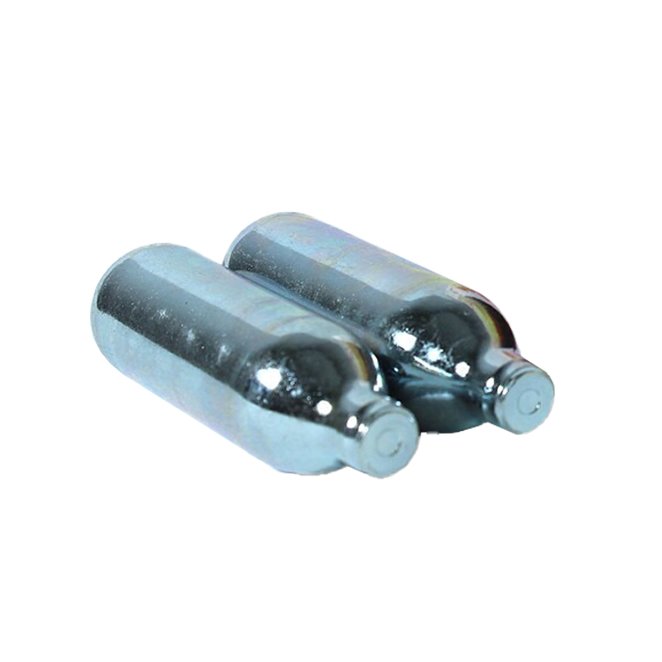
Many of our clients — especially wine bars and boutique brands — needed a solution to keep opened bottles fresh for days. That’s why we now offer custom argon cartridges for wine, with clean-grade gas and long shelf stability.
| Gas | Oxygen Barrier | Flavor Impact | Best For |
|---|---|---|---|
| Argon | Excellent | None | Still wine |
| Nitrogen | Decent | None | Backup option |
| CO2 | Weak | Alters taste | Sparkling wine only |
Argon doesn’t dissolve, doesn’t react, and doesn’t interfere with aroma. CO2 can mess with delicate wines, and nitrogen—while inert—isn’t as effective because it’s lighter than air. I’ve seen brands cut waste by over 40% just by switching to argon in tasting rooms.
Conclusion
Here’s what I’ve learned in over 10 years of working with beverage brands, suppliers, and distributors:
- Soda needs CO2 — no substitutes if you want bubbles and shelf life
- Beer may need CO2 or a CO2/N2 mix, depending on texture and style
- Wine is best preserved with argon, especially for still, opened bottles
At Alizeemetal, we don’t just make cartridges. We help our partners choose the right gas solution based on real-world usage, not just specs on paper. And when your drinks stay fresh longer, your customers notice — and come back for more.