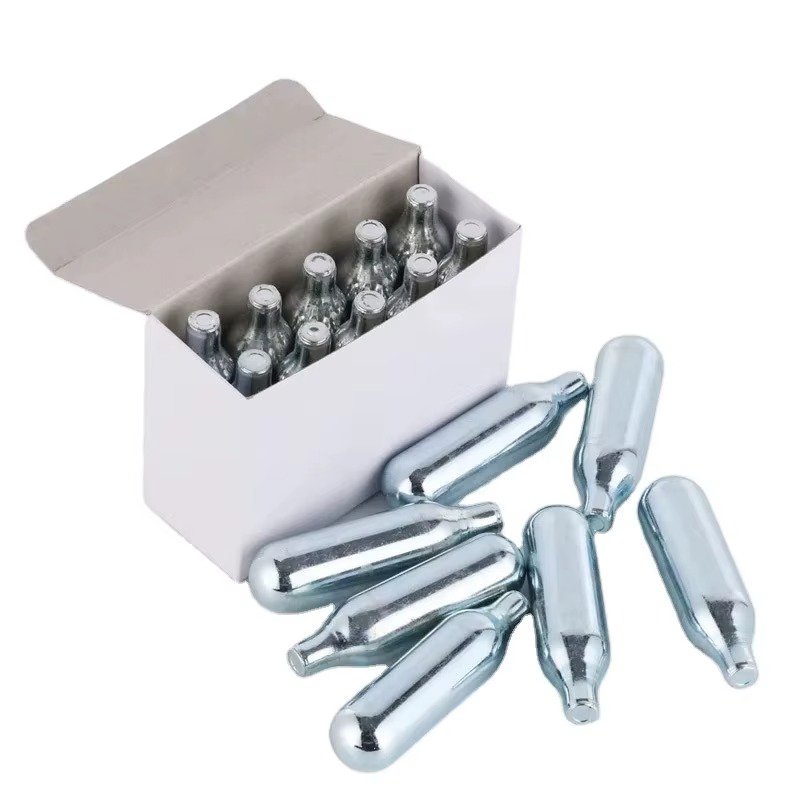
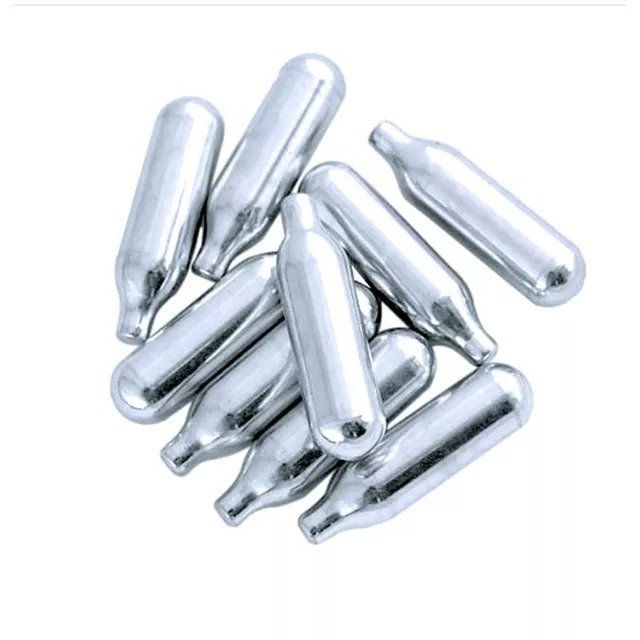
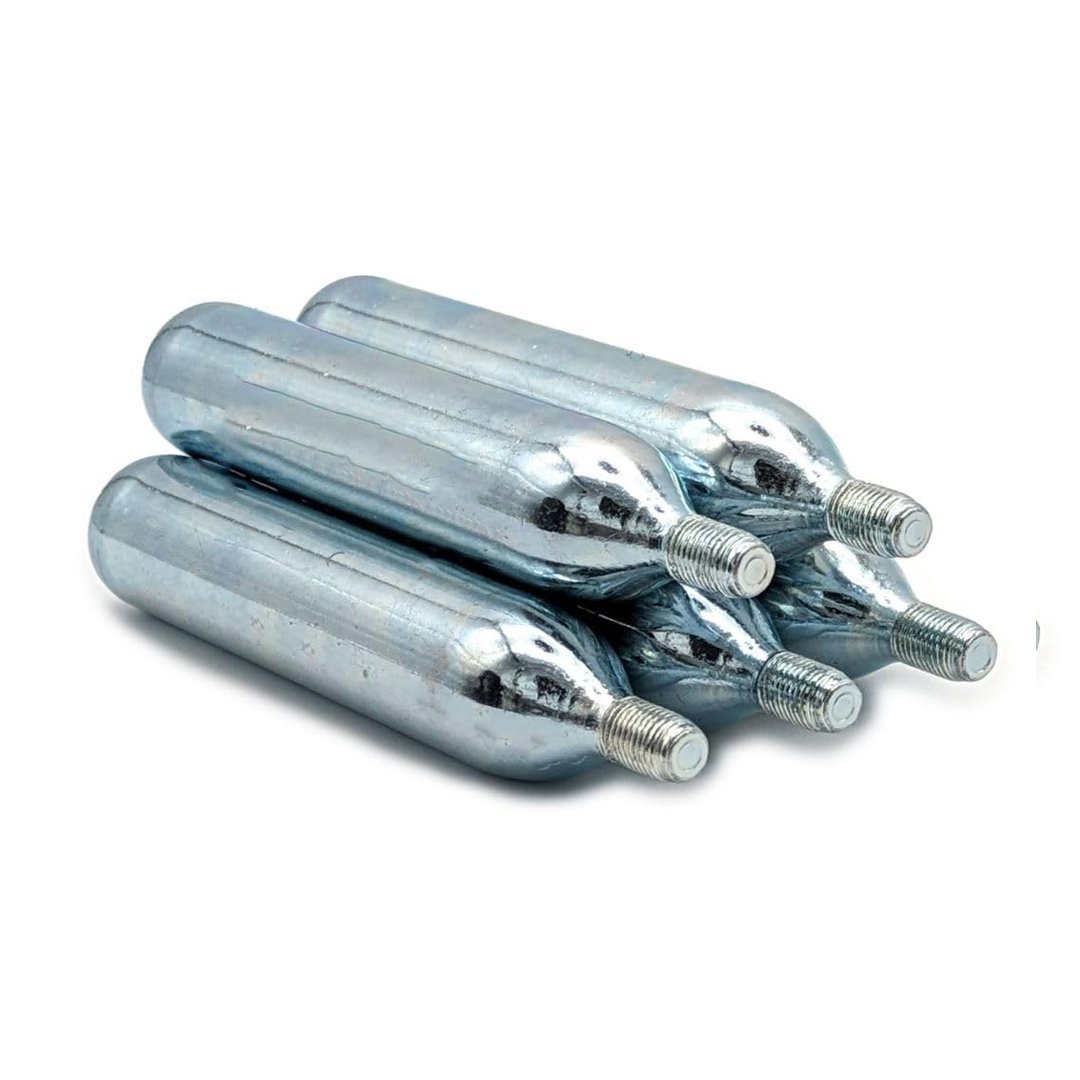
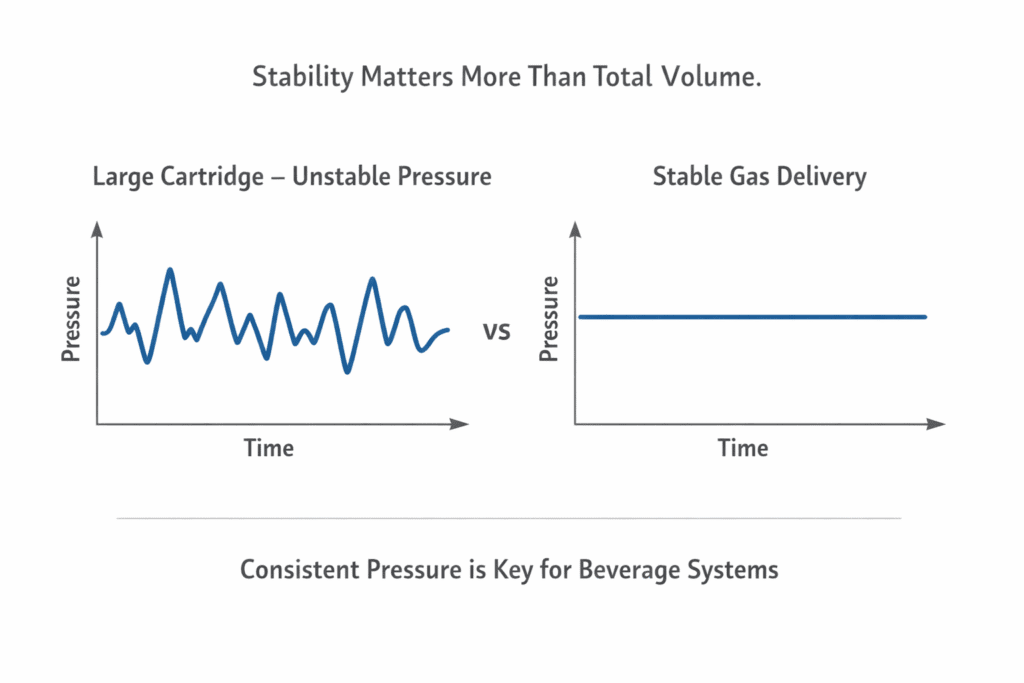
Gas stability matters more than cartridge size because beverage systems depend on consistent pressure over time, not just total gas volume. A larger cartridge does not guarantee stable performance if pressure fluctuates or drops unpredictably during service.
This is one of the most common misunderstandings I see.
People compare 8g, 16g, and 33g cartridges as if more grams automatically mean better results. In practice, that is only half the story.
Cartridge size tells you capacity, not behavior
Cartridge size only answers one question:
How much CO2 is inside?
It does not answer:
- How steadily that pressure will be delivered
- How quickly pressure will drop once activated
- How the system behaves during continuous service
Two systems can use the same cartridge size and perform very differently. The difference is almost always stability, not capacity.
Beverage systems are pressure-sensitive
Beer and soda systems are not tolerant of pressure swings.
Carbonation depends on balance. If pressure changes too quickly:
- Foam increases
- Carbonation level drifts
- Staff begin adjusting regulators repeatedly
- Serving becomes inconsistent
This is not dramatic. It is subtle. But over a full day of service, it becomes noticeable.
The physics behind this is straightforward. CO2 dissolves into liquid based on pressure and temperature. When pressure drops unevenly, the equilibrium shifts. A clear technical explanation of this gas–liquid interaction is outlined in Anton Paar’s overview of carbon dioxide behavior in beverages, which shows why stability matters more than sheer volume.
What instability actually looks like in cafés
When gas stability is poor, the problems usually appear as:
- The first few pours are fine, later pours foam heavily
- Carbonation tastes strong in the morning, flat by evening
- Staff adjust pressure mid-shift to compensate
- Disposable cartridges need replacement earlier than expected
The cartridge may still contain gas.
But the pressure delivery is no longer consistent.
That distinction matters.
Why larger cartridges do not automatically fix it
Many buyers assume upgrading from 8g to 16g or 25g cartridges will solve foam or pressure issues.
Sometimes it helps. Sometimes it does nothing.
If the regulator is unstable, if the system leaks slightly, or if temperature fluctuates, a larger cartridge simply delays the problem. It does not correct it.
Capacity extends runtime.
Stability controls performance.
Those are two different things.
Stability is about system balance, not just gas supply
In real operation, stability depends on:
- Cartridge quality and filling consistency
- Regulator accuracy
- Seal integrity
- Ambient temperature
- Continuous demand during service
If one of these factors is inconsistent, the system compensates. That compensation shows up as pressure fluctuation.
This is why I usually tell buyers not to focus only on grams.
Ask instead:
- How predictable is the pressure curve?
- How clean and consistent is the fill?
- How does the cartridge behave under repeated use?
Those questions reveal more than the size printed on the label.
Where this connects to gas selection and system design
Cartridge size is a specification.
Gas stability is a performance outcome.
When cafés choose CO2 cartridges for beer systems, the goal is not just “enough gas.” It is stable dispensing from first pour to last.
That is also why, when systems involve direct contact with beverages, both gas quality and delivery stability matter together—not separately.
Conclusion
Cartridge size tells you how much CO2 you have.
Gas stability determines how well your system performs.
In beer and soda service, consistent pressure matters more than raw volume. Once you understand that, cartridge selection becomes less about numbers and more about predictable operation.